Why Did Pakistan Threaten to Boycott the T20 World Cup Match Against India? Mohsin Naqvi Reveals the Real Reason
Contents7
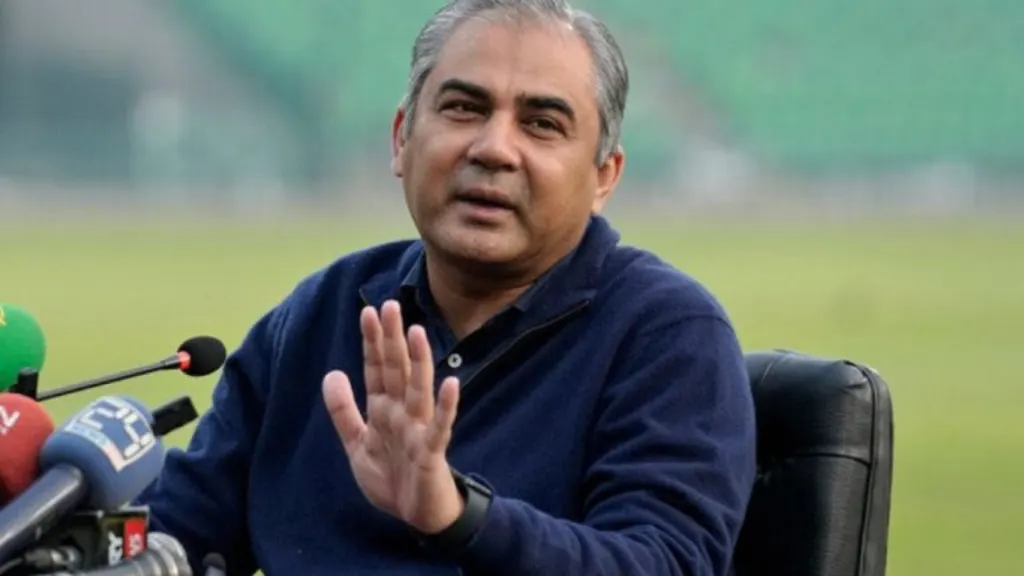
The Pakistan Cricket Board (PCB) chairman Mohsin Naqvi has made significant statements regarding Pakistan’s threat to boycott the T20 World Cup match against India. He emphasized that there were no conditions in their discussions apart from addressing the injustice faced by Bangladesh. The controversy ignited after the ICC voted Bangladesh out of the T20 World Cup, replacing them with Scotland, and political tensions heightened when the BCCI removed Mustafizur Rahman from IPL due to security concerns. Naqvi clarified that the boycott warning stemmed not from a political agenda, but as a show of support for Bangladesh. Once Bangladesh’s demands were acknowledged and recognized as valid, the Pakistani government eased its stance, agreeing to proceed with the match against India. This episode illustrates how decisions in international cricket are deeply intertwined with politics and diplomacy, as the upcoming India-Pakistan clash is now more loaded than ever.
The upcoming T20 World Cup match between Pakistan and India has been surrounded by controversy, primarily due to Pakistan’s threat to boycott it. The chairman of the Pakistan Cricket Board (PCB), Mohsin Naqvi, has shed light on the reasons behind this dramatic turn of events. It appears that this decision was not rooted in personal or political agendas but was instead a form of support for Bangladesh, whose interests were allegedly overlooked. Let’s delve deeper into the complex web of cricket politics and diplomacy that led to this situation.
Context of the Dispute
The tension escalated following a controversial decision by the ICC, which resulted in Bangladesh being dropped from the T20 World Cup, making way for Scotland. The crux of the matter lies in Bangladesh’s government’s decision to prevent their team from traveling to India, citing security concerns. This decision has drawn a parallel to the harsh treatment of players, particularly when the BCCI decided to withdraw Mustafizur Rahman from the IPL.
Mohsin Naqvi’s Statement
In a press interaction held in Peshawar, Mohsin Naqvi clarified that the discussions surrounding the boycott were solely focused on getting justice for Bangladesh. He emphasized that there were no other issues on the table regarding Pakistan’s participation in the match against India. « Our only goal was to ensure that Bangladesh is respected and correct what wrongs have been done to them, » he stated.
India-Pakistan Rivalry and Political Underpinnings
Naqvi firmly asserted that the threat to boycott the match was not made under any political or personal agendas; rather, it was a noble gesture supporting Bangladesh. He noted, « What Bangladesh wanted was accepted. We had no personal motives at play. People can say whatever they like, but our actions were solely linked to Bangladesh’s concerns. » This underlines the complicated narrative that intertwines cricket with political leanings and national pride.
Pakistan’s Shift in Stance
Interestingly, the dynamics changed when Bangladesh’s demands started being addressed. As soon as it was acknowledged that they were treated unfairly, the PCB revised its stance, paving the way for Pakistan to agree to play against India. Naqvi mentioned, « When their demands were accepted and it was recognized that wrongs were done to them, we decided to play again. » This highlights how quickly sentiments can shift in response to diplomatic negotiations.
The Intersection of Cricket and Diplomacy
The unfolding controversy is a crucial reminder that international cricket is often influenced by factors far beyond the boundary lines. The match between India and Pakistan is now set to take place as scheduled, but the preceding tensions have brought significant media attention and debate to the tournament. Cricket, it appears, is as much about politics and diplomacy as it is about the sport itself.
Further Developments
For those interested in more details regarding the dispute and its implications, articles like this piece provide insights into ICC’s decisions. Furthermore, discussions around other contentious issues can be explored through these links: Pakistan’s heartbreak in Asia Cup, internal turmoil in Bangladesh cricket, and the issue of patriotism vs profit in India-Pakistan matches. Additionally, the evolving narrative around Pakistan’s conditions and its impact on cricketing decisions adds depth to this ongoing saga.
Analysis of Pakistan’s T20 World Cup Boycott Threat
Read next
Cricket Legend Challenges Naqvi: ‘No Courage in Pakistan to Boycott the World Cup
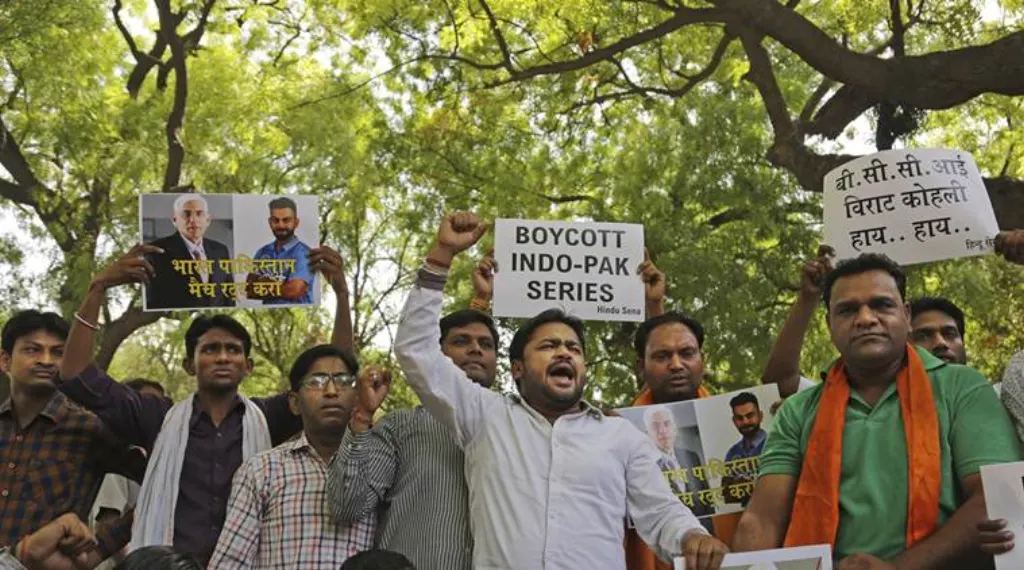
Cricket Legend Challenges Naqvi Indian cricketer Ajinkya Rahane boldly stated that the Pakistan Cricket Board (PCB) lack
 Cricket News
Why Pakistan Reversed Its Decision to Boycott the Match Against India
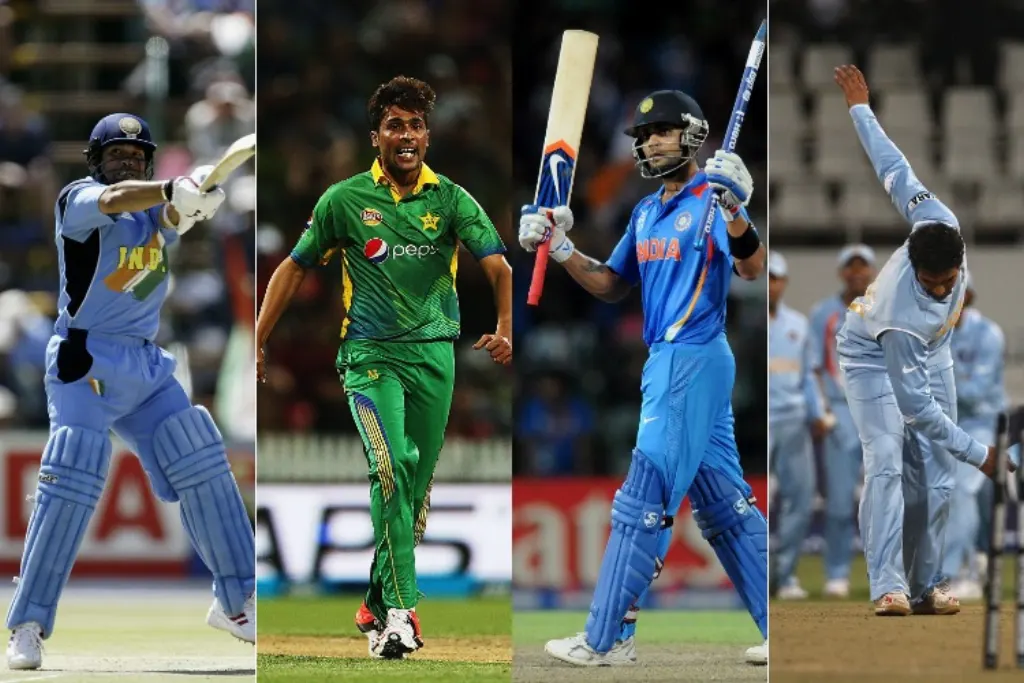
Initially, Pakistan announced a boycott against India for the T20 World Cup match scheduled on February 15, 2026. Howeve
 Cricket News
ICC Issues Warning to Pakistan Over Boycott of Match Against India
The International Cricket Council (ICC) has issued a warning to the Pakistan Cricket Board (PCB) regarding its decision
 Cricket News
Bangladesh Cricket in Turmoil: Players Threaten Boycott, BCB Rejects Director’s Comments Amid T20 World Cup Stalemate | Cricket News – The Times of India
Bangladesh Cricket in Turmoil In a significant turn of events, the Bangladesh Cricket Board (BCB) has distanced itself f