ICC Issues Warning to Pakistan Over Boycott of Match Against India
Contents6
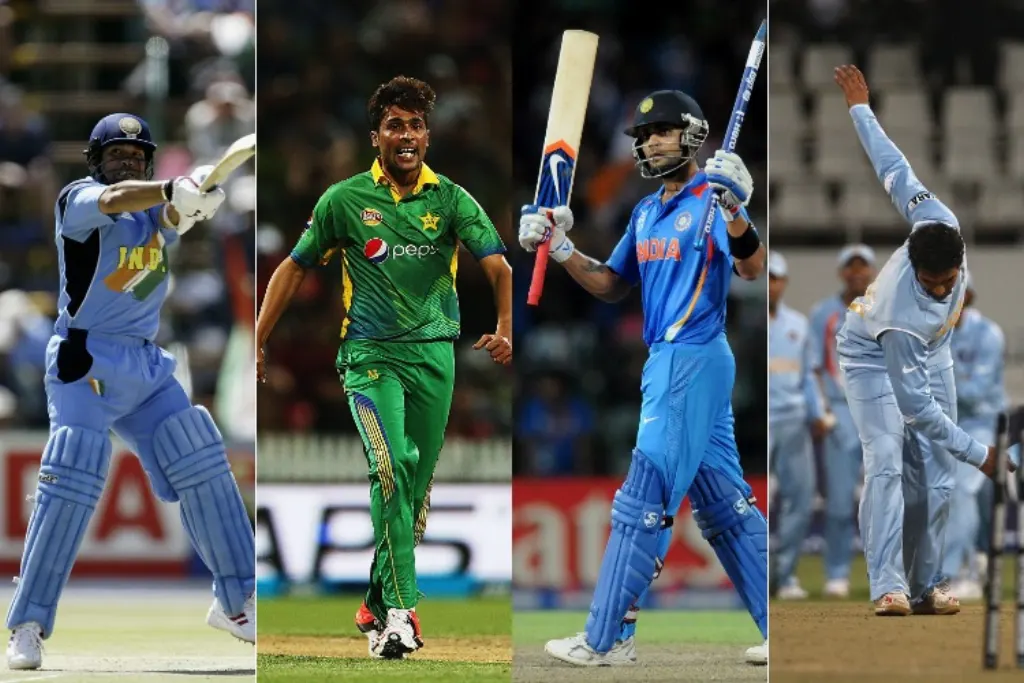
The International Cricket Council (ICC) has issued a warning to the Pakistan Cricket Board (PCB) regarding its decision to boycott the match against India during the upcoming T20 World Cup 2026. This decision could have far-reaching consequences on global cricket, as the ICC emphasized the spirit of competition and fairness inherent in international tournaments. The tournament is set to start on February 7, 2026, with the significant match scheduled for February 15. The PCB was urged to seek a mutually agreeable solution in the interest of all stakeholders involved in the game.
Related reading : Facing Threat of Ban, Yet Pakistani Defiance Prevails as ICC Comes Under Pressure
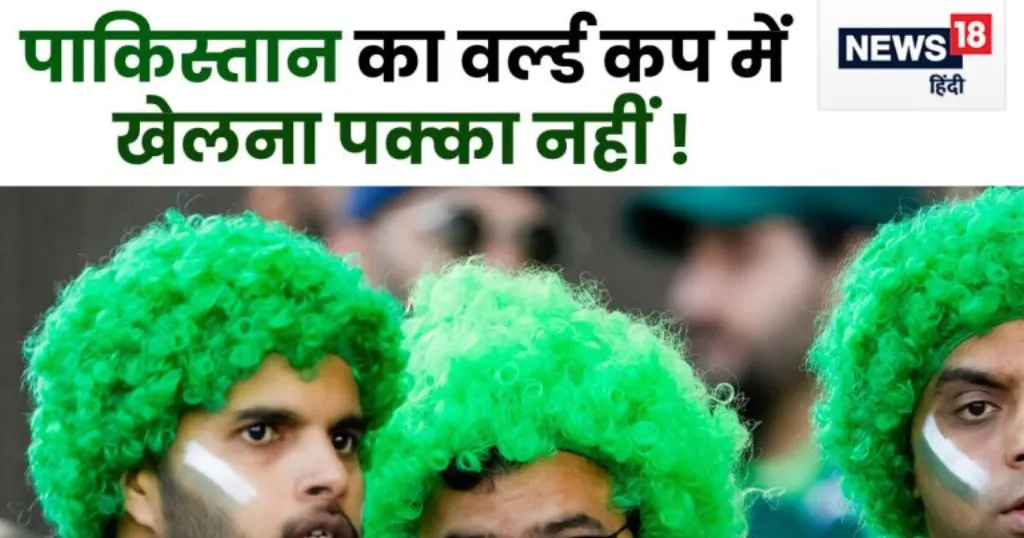
The recent decision by Pakistan to potentially boycott a crucial match against India in the upcoming ICC T20 World Cup 2026 has stirred significant controversy. The International Cricket Council (ICC) has issued a stern warning to the Pakistan Cricket Board (PCB) regarding the implications of such a move. This article explores the unfolding situation, the ICC’s stance, and the potential impacts on global cricket.
Related reading : Will Pakistan Follow Bangladesh’s Footsteps? PCB Responds to T20 World Cup Boycott…
The Background of the Controversy
The tension began with Bangladesh refusing to play matches on Indian soil during the T20 World Cup. Following this refusal, the ICC took decisive action by replacing Bangladesh with Scotland in the tournament. This situation was further complicated when the PCB voiced its support for Bangladesh, claiming that if security concerns warranted a withdrawal, then similar rights should be extended to Bangladesh.
In a statement released by the PCB, it was made clear that the government had instructed the Pakistan team not to take the field against India on February 15. However, the reasons behind this decision were not disclosed.
ICC’s Official Stance
In response to the PCB’s announcement, the ICC promptly issued a warning, emphasizing that they had not received any official communication regarding the boycott from the PCB. The ICC expressed concerns that selective participation would undermine the spirit of global sporting events where all qualified teams are expected to compete fairly.
The ICC’s statement highlighted the importance of integrity, competitiveness, continuity, and fairness in its tournaments. A move towards selective participation could weaken the credibility and spirit of these competitions, which serve the interests of millions of cricket fans worldwide, including many in Pakistan.
The Financial Implications for Pakistan
Historically, matches between India and Pakistan have been commercially lucrative for both cricket boards. According to a revenue-sharing agreement established in 2023, Pakistan is set to receive a substantial amount for its participation in the World Cup. Experts suggest that opting out of the match could place Pakistan at a financial disadvantage.
Former Indian cricketer Atul Vasan noted that this decision could lead to Pakistan facing severe consequences, including potential expulsion from the tournament. The implication here is clear: a boycott is not merely a political statement but a significant gamble that could have lasting repercussions for Pakistan.
The Reactions from the Cricketing Community
The cricketing world has been reacting to the news with a mix of confusion and concern. Many former players have shared their thoughts on the boycott, emphasizing that such a move goes against the unifying spirit of cricket. While some support the PCB’s stance, others, like Harbhajan Singh, argue against playing the match in light of national sentiments. This division further highlights the complicated relationship between sport and politics in the region.
What’s Next for Pakistan and the ICC?
As the T20 World Cup approaches, the pressure mounts on the PCB to reconsider its position. The endorsement from the ICC for a mutually agreeable solution suggests that negotiations are still possible. However, the PCB may face a tough choice between adhering to government directives and the expectations of their fans and the global cricketing community.
The ICC has reiterated its commitment to ensuring the T20 World Cup proceeds with high standards of competition and fairness. It is in everyone’s interest, including Pakistan’s, to find a resolution that honors both the sport and the stakeholders involved.
In essence, the looming question is whether Pakistan will stand by its government’s decision or engage in discussions that could lead to a fruitful participation in what promises to be an exciting tournament for cricket lovers worldwide.
Impact of Pakistan’s Boycott Decision on ICC T20 World Cup 2026
Read next
 Cricket News
Why Pakistan Reversed Its Decision to Boycott the Match Against India
Initially, Pakistan announced a boycott against India for the T20 World Cup match scheduled on February 15, 2026. Howeve
 Cricket News
Pakistan Confirms They Will Not Play T20 World Cup Match Against India, Says Shahbaz Sharif
Pakistan’s Prime Minister Shahbaz Sharif has confirmed that the Pakistan cricket team will not play the highly anticipat
 Cricket News
After Cricket, India Triumphs Over Pakistan in Football: Mohammad Abdullah’s Celebration Sparks Controversy
After Cricket, India Triumphs Over Pakistan in Football In a thrilling encounter at the SAFF U-17 Championship, India’s
 Cricket News
Andy Pycroft Will Not Officiate the India-Pakistan Match: PCB to Confront ICC Over Rejection of Demands
The International Cricket Council (ICC) has rejected Pakistan’s demands to remove match referee Andy Pycroft from offici