Why Pakistan Reversed Its Decision to Boycott the Match Against India
Contents6
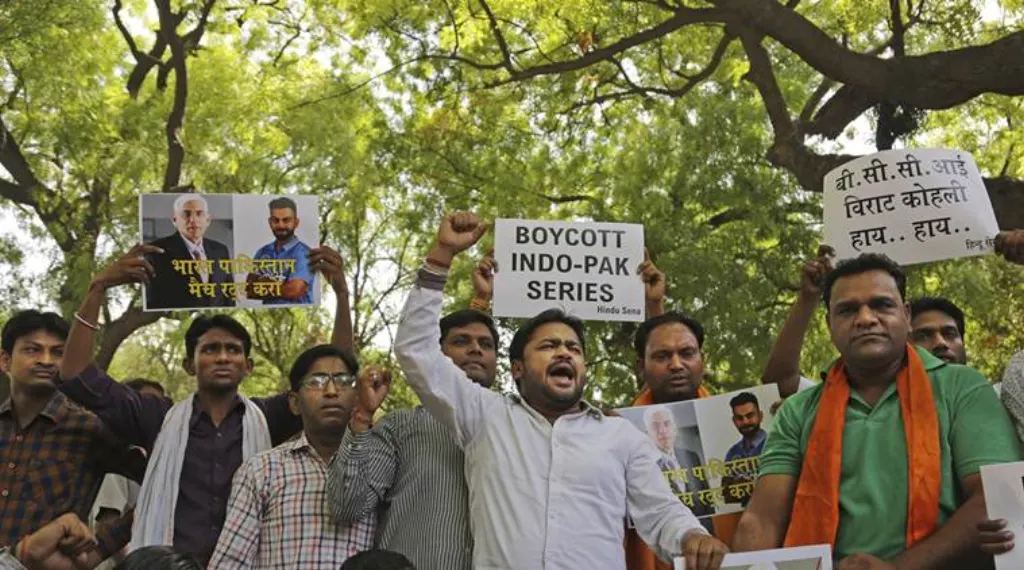
Initially, Pakistan announced a boycott against India for the T20 World Cup match scheduled on February 15, 2026. However, following a series of discussions initiated by Bangladesh and appeals from various friendly nations, Prime Minister Shahbaz Sharif authorized the team to participate. This decision was made to uphold the spirit of cricket and promote the continuity of the game among participating countries. The Pakistan Cricket Board (PCB) confirmed that this reversal came after constructive conversations with the International Cricket Council (ICC) and reaffirmed the importance of cooperation for a successful tournament.
Related reading : Pakistan Confirms They Will Not Play T20 World Cup Match Against India, Says Shahbaz…
The recent back-and-forth regarding Pakistan’s participation in the T20 World Cup match against India has stirred quite a shakeup in the cricketing community. Initially, Pakistan announced a boycotting stance on February 1, 2026, citing various concerns. However, only ten days later, they made an unexpected U-turn, allowing their team to play against India on February 15. Several factors led to this reversal, reflecting the complexities of international sports politics.
Related reading : Facing Threat of Ban, Yet Pakistani Defiance Prevails as ICC Comes Under Pressure
Political Influences and Diplomatic Relations
One of the primary reasons for Pakistan’s decision to reverse its boycott was the increased pressure from diplomatic channels, particularly from friendly nations like Sri Lanka. Pakistani Prime Minister Shahbaz Sharif mentioned that the decision came after requests from various countries, including the Sri Lankan leadership, who urged Pakistan to reconsider its stance. The emphasis was on maintaining camaraderie and unity in the cricketing community, especially during challenging times.
This diplomatic engagement underscores the notion that cricket transcends mere sport, acting as a bridge that can foster dialogue and reconciliation. Sharif’s conversation with Sri Lankan President Anura Kumara Dissanayake played a key role, demonstrating how political leaders can impact sports decisions through calls for cooperation and understanding.
The Role of the Pakistan Cricket Board
Following the initial announcement of the boycott, the Pakistan Cricket Board (PCB) met with representatives from the International Cricket Council (ICC) and the Bangladesh Cricket Board. The PCB chairman, Mohsin Naqvi, detailed these discussions to Prime Minister Sharif, reflecting a formal mechanism through which cricket governance adapts to the changing landscape of international relations.
The meeting’s outcome highlighted the PCB’s commitment to not just the interests of Pakistani cricket but also to advancing positive interactions among all participating nations. The dialogue was framed around the need for fairness, integrity, and the ongoing spirit of the game, which ultimately reinforced the decision to participate in the World Cup.
Concerns Over Team Safety and Competitive Integrity
Initially, Pakistan’s decision to boycott stemmed from concerns for the safety of their players, especially after Bangladesh raised alarms about their team’s security during matches in India. However, the ICC swiftly rejected Bangladesh’s request to shift the match venue, emphasizing the importance of solidarity among member nations. This created a tense atmosphere as Pakistan grappled with the implications of a boycott.
Ultimately, the desire to compete against India, a historic rivalry steeped in much anticipation, outweighed the fears associated with safety. The PCB opted to focus on the competitive integrity of the T20 World Cup, recognizing that participation in such a high-profile event would benefit not only their team but also the broader cricket community.
Related reading : ICC Issues Warning to Pakistan Over Boycott of Match Against India
Cricketing Spirit and Global Outreach
Both the ICC and PCB have been vocal about their commitment to fostering a vibrant cricketing environment that respects the rules of engagement among its members. The ICC confirmed through its statements that all stakeholders must adhere to their commitments to ensure that the T20 World Cup flourishes. Engaging in play, particularly in a match against India, is viewed as a continuation of that cricketing spirit.
Furthermore, the ICC’s messages reflected a sense of urgency concerning cricket development in Bangladesh, underscoring the vast audience that continues to engage with the sport. With over 200 million fans in the region, the connectivity through cricket holds significant value for building long-term relationships and ensuring the sport’s sustainability and popularity.
Regional Reactions and Collaborative Efforts
The ramifications of Pakistan’s decision reverberated throughout the cricket world. The Sri Lankan president expressed appreciation for Prime Minister Sharif’s move, recalling past instances of unity between teams, particularly during the 1996 World Cup. This acknowledgment reinforces the historical context of cricket as a medium for collaboration, regardless of political circumstances.
Additionally, Bangladesh Cricket Board (BCB) expressed gratitude for Pakistan’s willingness to proceed with the match, celebrating the essence of sportsmanship and unity that transcends individual countries’ concerns. BCB President Mohammad Aminul Islam specifically highlighted how Pakistan’s support demonstrated a commitment not just to cricket but also to regional bonds of friendship.
In conclusion, the unexpected reversal of Pakistan’s decision to boycott the match against India is rooted in diplomatic negotiations, commitments from cricketing bodies, and mutual respect among nations involved in the sport. The game of cricket continues to serve as more than just a competition; it stands as a testament to how collaborative spirit can prevail even amid challenges. For more insights, you might want to read about the repercussions of these events at this detailed analysis.
Reasons Behind Pakistan’s Change of Heart
Read next
 Cricket News
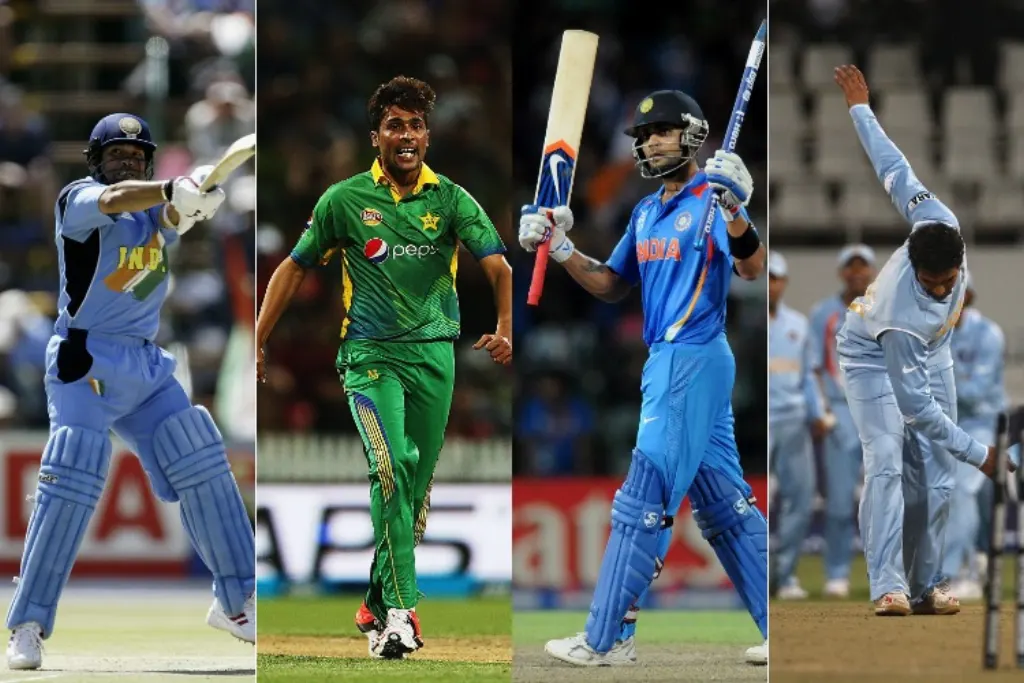
ICC Issues Warning to Pakistan Over Boycott of Match Against India
The International Cricket Council (ICC) has issued a warning to the Pakistan Cricket Board (PCB) regarding its decision
 Cricket News
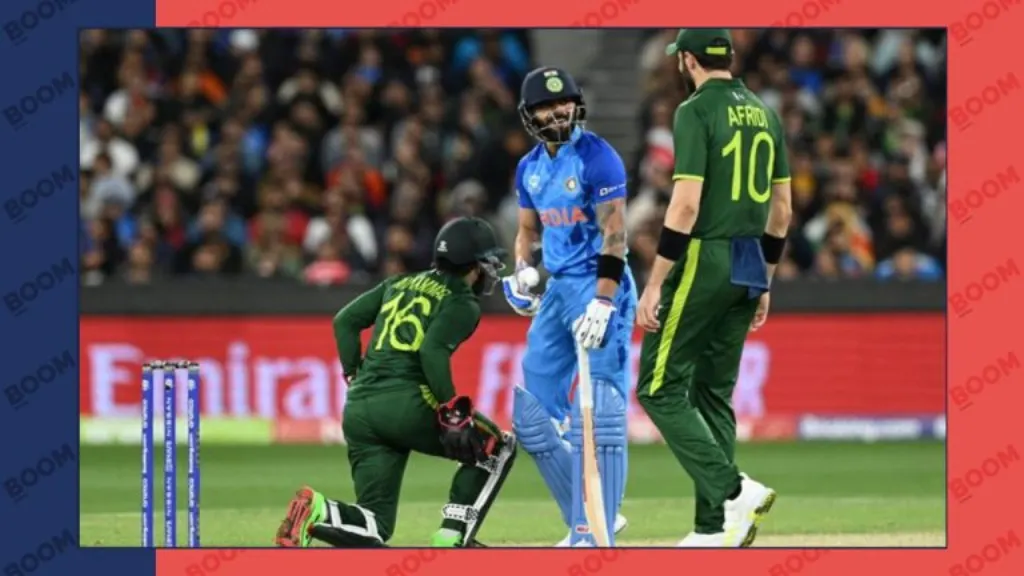
Pakistan Confirms They Will Not Play T20 World Cup Match Against India, Says Shahbaz Sharif
Pakistan’s Prime Minister Shahbaz Sharif has confirmed that the Pakistan cricket team will not play the highly anticipat
Pakistan’s Heartbreak in the Asia Cup: India Teaches Hard Lessons Three Times
The Pakistan cricket team faced a tumultuous journey in the 2025 Asia Cup, ultimately bowing down to their rivals from
 Cricket News
After Cricket, India Triumphs Over Pakistan in Football: Mohammad Abdullah’s Celebration Sparks Controversy
After Cricket, India Triumphs Over Pakistan in Football In a thrilling encounter at the SAFF U-17 Championship, India’s