Why Can’t Virat Kohli and Rohit Sharma Play Domestic Cricket Like Sachin Tendulkar Did? Insights from Former Cricketers
Contents6
Why Can’t Virat Kohli and Rohit Sharma Play Domestic Cricket Like Sachin Tendulkar Did?
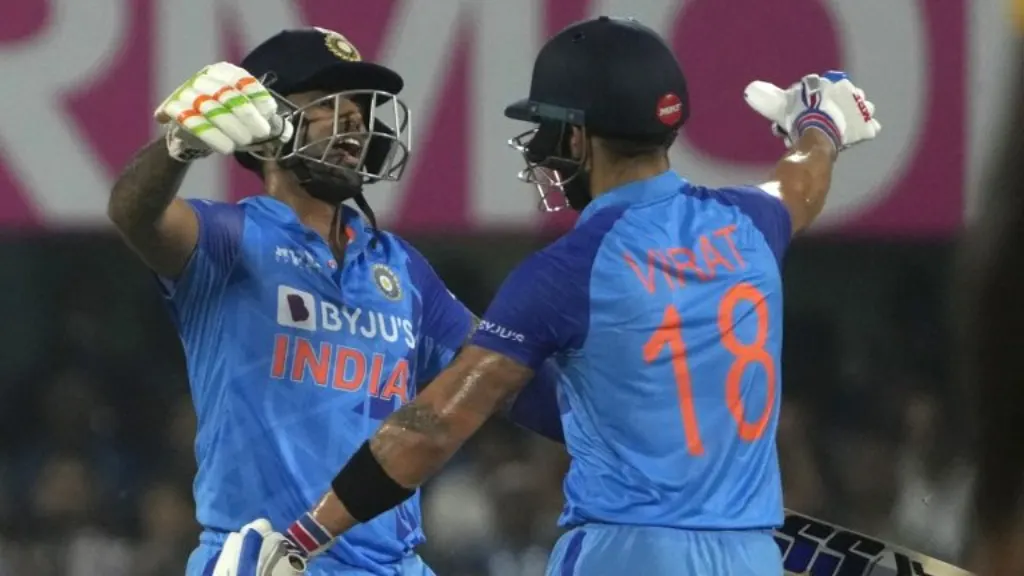
Following India’s dismal 0-3 defeat to New Zealand in a recent Test series, seasoned batsmen Rohit Sharma and Virat Kohli are under heavy scrutiny for their underwhelming performances. Critics are questioning why these modern players refuse to partake in domestic cricket, especially when legends like Sachin Tendulkar actively competed even in their forties. Former cricketer Devang Gandhi highlighted that in the past, players often seized opportunities to play domestic matches, illustrating a stark contrast to the current generation’s apparent preference for managing workload. He referenced an incident from 2007 when Tendulkar and others played the Ranji Trophy just days after participating in international tours.
Related reading : Was BCCI Forcing Rohit and Kohli to Play Domestic Cricket? The Big Truth Revealed
The absence of Kohli and Sharma from domestic competitions raises concerns about their readiness and performance leading into crucial matches. While changes in the game’s landscape and increased focus on fitness and workload management could explain their reluctance, many believe that participating in domestic cricket might benefit them technically and mentally, similar to how Tendulkar and other greats approached the game.
The recent poor performance of India against New Zealand in a Test series has reignited the debate surrounding the participation of senior players in domestic cricket. Former cricketers and fans alike are questioning why modern-day stars like Virat Kohli and Rohit Sharma are not readily available for domestic tournaments—a stark contrast to legends like Sachin Tendulkar, who consistently played domestic matches even into his forties. This article delves into the insights of former cricketers regarding this trend and explores the ramifications for the current Indian cricket landscape.
The Case for Domestic Cricket Participation
As India grapples with a 0-3 defeat against New Zealand at home, the absence of senior players from domestic fixtures has sparked ire among fans and commentators. Devang Gandhi, a former selector, has raised poignant questions about this trend, contrasting it with how cricketers of the past—like Tendulkar and Sourav Ganguly—used to make it a point to compete in domestic tournaments. Their commitment to playing domestic cricket was seen as both a way to hone skills and maintain match fitness during crucial periods.
In the present scenario, Kohli and Sharma, who are pivotal to India’s batting lineup, opted out of the prestigious Duleep Trophy. This decision has drawn flak, especially since their recent test performances have not been up to par, leading to questions about their commitment to the sport. It seems that players today have been given leeway under the guise of workload management, a concept that wasn’t prevalent in earlier times.
Workload Management: A Double-Edged Sword
The introduction of workload management has brought a paradigm shift in how players approach their careers. While it undoubtedly serves to prolong careers and prevent injuries—especially for bowlers like Jasprit Bumrah—it raises questions about its applicability for top-order batsmen. According to cricketing experts, this trend can be viewed as a double-edged sword. The very essence of competitive sport lies in taking part in matches, and opting out could result in a loss of form.
Furthermore, historical references to the likes of Tendulkar playing even after exhausting international tours make today’s players look slightly disengaged from the legacies set by their predecessors. The willingness of veteran players to endure the rigors of domestic cricket is a testament to their zeal, one that seems to be lacking in current times.
Insights from Former Cricketers
Former cricketers are not shy about voicing their opinions on this subject. Basit Ali, another former player, highlighted how today’s players often exclude themselves from domestic competitions without considering the precedent set by legends. He notes that skill levels can tumble if players shy away from competitive games. Ali explicitly questioned, “Why can’t our top-order players do that?” emphasizing the increasing disconnect between current and past generations of cricketers.
Former Indian bowler Ajay Jadeja added that performance pressure significantly differs in domestic formats. Unlike the international stage, domestic cricket often serves as an excellent ground for players to regain their form and work out their kinks. Hence, the hesitance of Kohli and Sharma is seen as an opportunity lost to recalibrate their game and sharpen their batsmanship against various bowling styles.
The Future of Indian Cricket
The reluctance of senior players to jump into domestic cricket poses a long-term concern for Indian cricket. With upcoming tours and a cricketing calendar that demands consistent performance, the team needs its best players firing on all cylinders. The indulgence afforded to current stars must be scrutinized to ensure that they maintain the competitive edge necessary for international success.
While the discussion continues to rage, it’s clear that bridging the gap between past dedication and modern practice could be key for revitalizing Indian cricket. As Devang Gandhi eloquently put it, “It’s not just about playing. It’s about maintaining the essence of the game and being available”—a sentiment that echoes through the corridors of Indian cricket history.
As the cricketing fraternity expounds on these essential issues, followers of the sport remain hopeful that Kohli and Sharma will recognize the value of domestic cricket, both for their personal development and the larger narrative of Indian cricket.
Comparison of Playing Domestic Cricket: Tendulkar vs. Kohli & Sharma
Read next
 Cricket News
Tejashwi Yadav Reveals His Vision for Cricket: Nurturing Talents Like Sachin Tendulkar and Virat Kohli from Bihar
Tejashwi Yadav, the former Deputy Chief Minister of Bihar and a prominent political figure, has recently shared his ambi
 Cricket News
Was BCCI Forcing Rohit and Kohli to Play Domestic Cricket? The Big Truth Revealed
Recently, there has been significant speculation regarding whether the BCCI was pressuring Rohit Sharma and Virat Kohli
 Cricket News
Will BCCI Demote Virat Kohli and Rohit Sharma from Central Contracts? Announcement on Shubman Gill’s Promotion in Upcoming Meeting!
The upcoming BCCI Annual General Meeting (AGM) scheduled for December 22 is set to make pivotal decisions regarding the
 Cricket News
Will virat kohli and rohit sharma retire from ODI cricket after the australia tour? sourav ganguly weighs in
Will Virat Kohli and Rohit Sharma Retire from ODI Cricket? Speculation is rife regarding the future of Virat Kohli and