India should sever all cricket ties with Pakistan, says Sourav Ganguly about the Pahalgam attack – it’s not a joke
Contents7
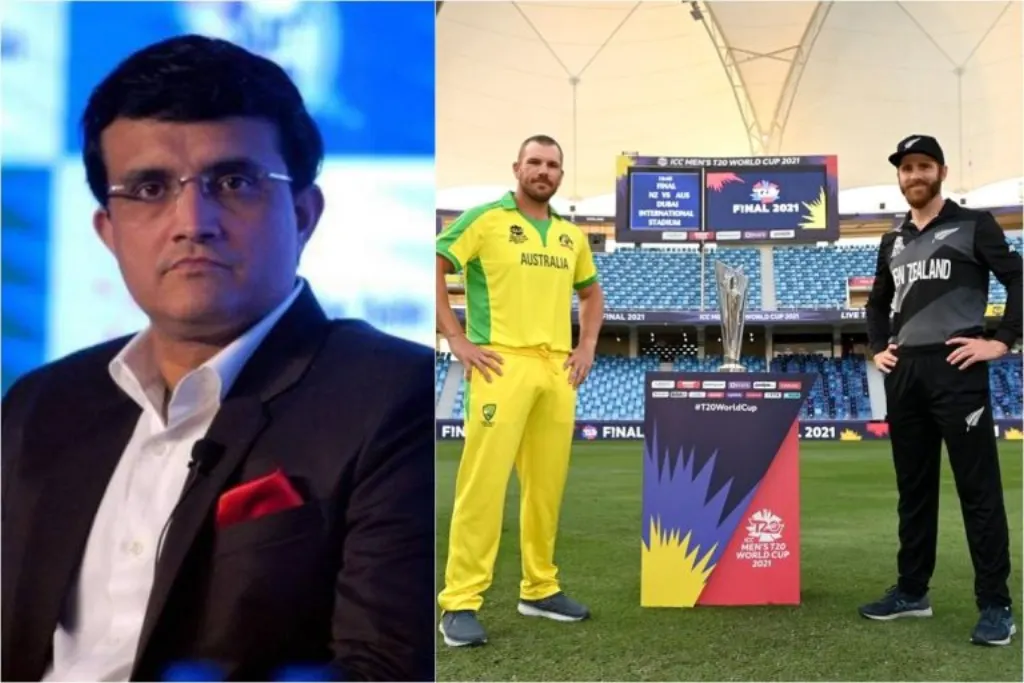
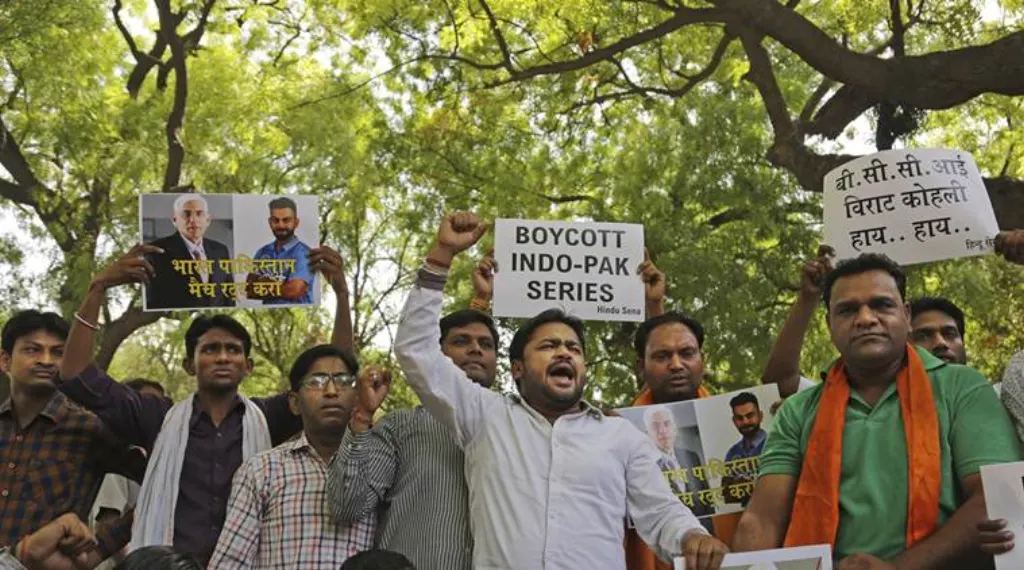
Sourav Ganguly, the former Indian cricket captain and ex-chairman of the Board of Control for Cricket in India (BCCI), has firmly stated that India should sever all cricket ties with Pakistan following the recent Pahalgam terror attack. He expressed that it is crucial for India to avoid playing against Pakistan entirely, emphasizing that the ongoing violence and terrorism cannot be overlooked. Both nations have only met in ICC or Asian Cup events for over a decade, with India halting tours to Pakistan since 2008 due to political tensions. Ganguly’s remarks come in light of the tragic incident where 26 people were killed by Pakistan-backed terrorists, further reinforcing the sentiment that strict actions are necessary.
Related reading : sourav ganguly expresses seriousness over breaking india-pakistan cricket ties
India Should Sever All Cricket Ties with Pakistan
In light of the recent tragic Pahalgam terror attack, former Indian cricket captain and BCCI ex-chairman Sourav Ganguly has voiced a strong opinion on the matter of India’s cricketing relationship with Pakistan. He believes that it is high time India took a stand and severed all cricket ties with Pakistan, citing that the ongoing political tensions and frequent terror-related events cannot be overlooked. This sentiment echoes the concerns of many fans who feel that the sport should not intermingle with geopolitical issues.
Related reading : gautam is serious about playing cricket with pakistan, stating that matches will…
The Background of the Current Situation
For over a decade, cricket matches between India and Pakistan have been limited to ICC and ACC tournaments, stirring a mix of excitement and underlying tension among fans. The Pahalgam attack, which resulted in the tragic death of 26 individuals, has exacerbated these feelings and raised questions about the appropriateness of resuming cricketing ties, especially with Pakistan’s history of supporting terrorism against India. In an interview with ANI, Sourav Ganguly stated unequivocally, « 100 percent, it should be done (cutting ties with Pakistan). Strict action is needed. It’s not a joke. Such things happen every year. Terrorism cannot be tolerated. »
The Historical Context of India-Pakistan Matches
Historically, cricket has been seen as a unifying force between India and Pakistan, often allowing fans to momentarily forget political strife. However, since the 2008 attack in Mumbai, India has refrained from bilateral series with Pakistan, focusing exclusively on international tournaments. The last time the two teams engaged in a bilateral series was in 2012-2013, a long time ago. Ganguly implies that the situation has changed drastically, urging for a complete boycott instead.
Implications of the Pahalgam Attack
Ganguly’s remarks gain weight in the wake of the Pahalgam attack which has drawn ire and condemnation from the Indian government. The center has made several diplomatic moves, including shutting down the Integrated Check Post at Attari and suspending the SAARC visa exemption scheme for Pakistani nationals. These steps reflect a growing sentiment among Indians that engagement with Pakistan, especially in sports, needs careful reconsideration. As stated by Ganguly, « This is no joke, » a statement that punctuates the seriousness of current affairs.
Calls for a Changing Approach
There is a growing chorus among former players and analysts who support the idea of a total cricket boycott against Pakistan. The sentiment is not just about sports but also highlights the broader context of safety and security in the region. Moreover, the international cricket community is now forced to reckon with this debate as players and fans demand accountability and clarity over the long-standing cricketing relations.
Conclusion and the Path Forward
As the cricketing world watches, the call from Ganguly for India to sever all cricketing ties with Pakistan marks a significant moment in recognizing how deeply intertwined sports and politics can be, especially in such a volatile region. This raises critical questions about how nations engage with one another on the global stage, and whether the spirit of the game can survive amidst the harsh realities of international relations.
Cricket Relations Between India and Pakistan: A Critical Analysis
Read next
 Cricket News
sourav ganguly expresses seriousness over breaking india-pakistan cricket ties
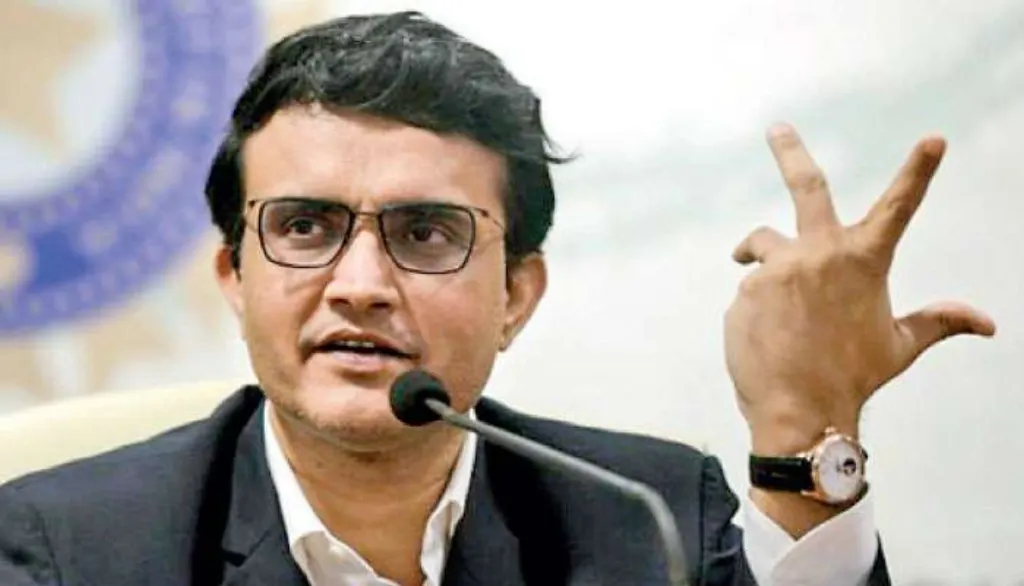
Sourav Ganguly’s Serious Call for Breaking India-Pakistan Cricket Ties Former Indian cricket captain and ex-BCCI preside
 Cricket News
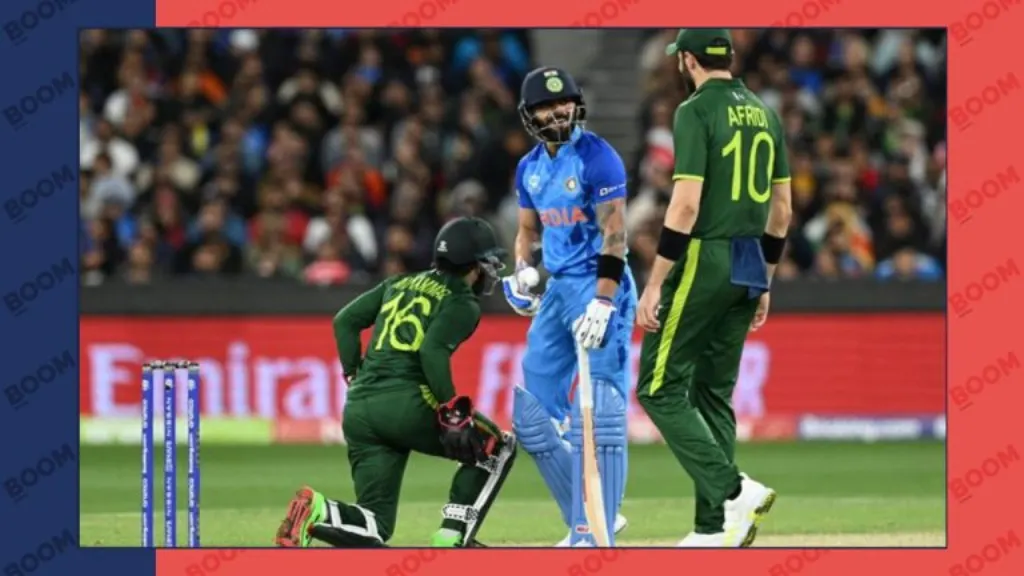
Pakistan Confirms They Will Not Play T20 World Cup Match Against India, Says Shahbaz Sharif
Pakistan’s Prime Minister Shahbaz Sharif has confirmed that the Pakistan cricket team will not play the highly anticipat
 Cricket News
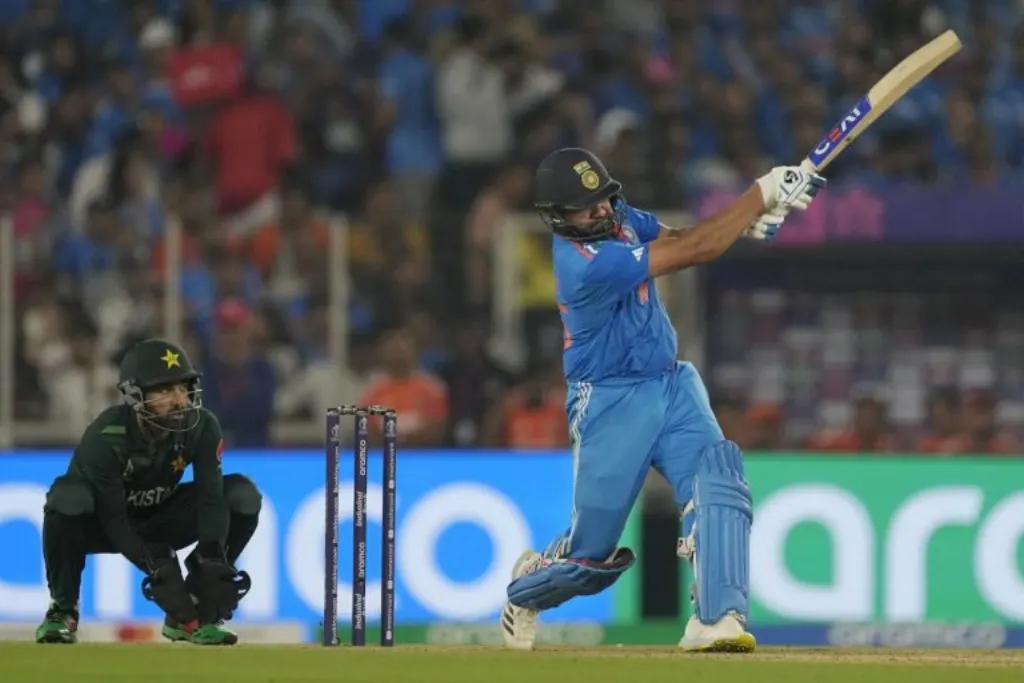
gautam is serious about playing cricket with pakistan, stating that matches will continue, but
Gautam Gambhir’s Stance on Cricketing Ties with Pakistan In a recent statement, former Indian cricketer Gautam Gambhir e
 Cricket News
Why Pakistan Reversed Its Decision to Boycott the Match Against India
Initially, Pakistan announced a boycott against India for the T20 World Cup match scheduled on February 15, 2026. Howeve