Bangladesh Responds After Mustafizur Rahman’s Removal from KKR, Comments on IPL and World Cup Matches
Contents8
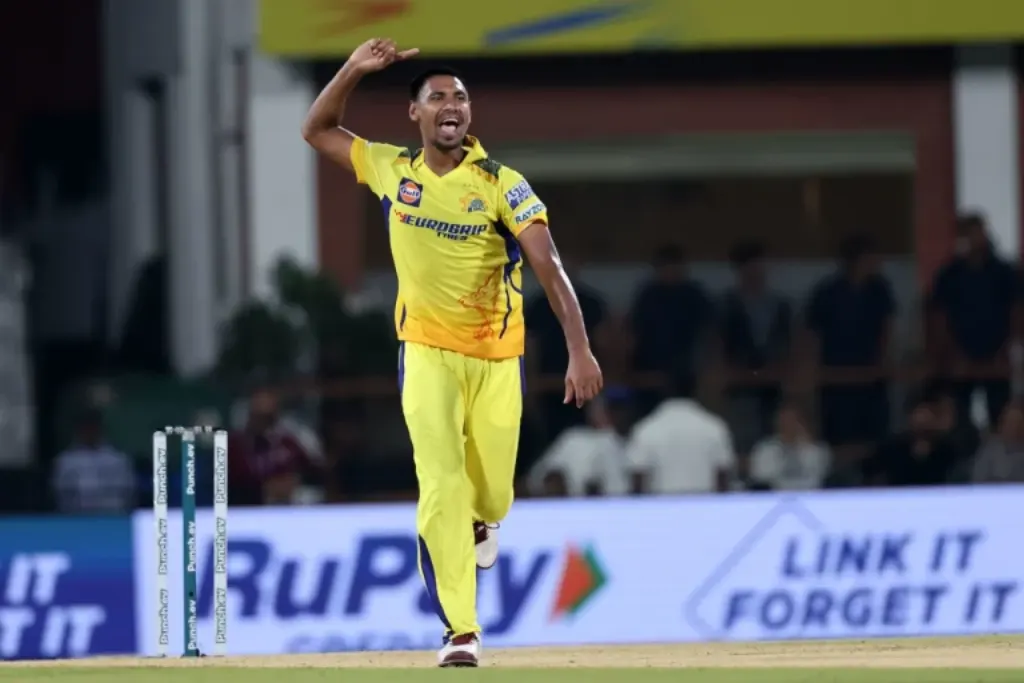
In a significant decision, the Board of Control for Cricket in India (BCCI) instructed the Kolkata Knight Riders (KKR) to release Bangladeshi cricketer Mustafizur Rahman from their squad. This prompted a swift and strong reaction from Bangladesh, with the Bangladesh Cricket Board announcing that their team would not participate in the 2026 T20 World Cup hosted by India. Furthermore, Asif Nazrul, a sports advisor in Bangladesh, called for a ban on the broadcast of IPL matches in the country. Critics, including noted historians and politicians, questioned the decision, emphasizing the importance of maintaining goodwill between Bangladesh and India. They argued that such decisions could exacerbate tensions, and politicians suggested the need for a more coherent approach to international relations.
Related reading : Bangladesh to Skip India Tour Ahead of T20 World Cup Following Mustafizur Rahman…
The recent decision by the Board of Control for Cricket in India (BCCI) to remove Bangladeshi cricketer Mustafizur Rahman from the Kolkata Knight Riders (KKR) has sparked significant backlash from the Bangladeshi cricket community. This move has raised concerns which go beyond mere player selections, as it has implications on bilateral relations and cricket diplomacy. Notably, the Bangladesh Cricket Board (BCB) has expressed its displeasure, leading to potential ramifications for the T20 World Cup 2026 matches that are set to be hosted in India.
Related reading : Bangladesh’s Stark Warning After Mustafizur Rahman’s IPL Omission: Calls to Shift T20…
Decision from BCCI: The Backdrop
On a surprising note, the BCCI instructed KKR to release Mustafizur Rahman, a decision announced on January 4, 2026, amidst growing political tensions. This decision was said to be influenced by various societal and political pressures within India, illustrating how the world of sports does not remain insulated from the larger political landscape. KKR confirmed the player’s release promptly following the BCCI’s directive, showcasing the board’s decisive authority in player management.
Bangladesh’s Strenuous Response
In response to this abrupt removal, the Bangladesh Cricket Board (BCB) has taken a firm stand against the BCCI’s actions. The board declared that Bangladesh’s cricket team would not participate in the upcoming T20 World Cup 2026 and recommended halting the broadcasting of IPL matches in Bangladesh. Asif Nazarul, the sports ministry advisor, openly criticized the BCCI for bowing to extremist groups and urged for the International Cricket Council (ICC) to be alerted regarding the matter. This response highlights the sensitive intertwining of sports with national pride and political alliances.
Related reading : Mustafizur Rahman Controversy: Political Tensions Between India and Bangladesh Cast…
Political and Sports Intertwine
Political statements have emerged from various quarters, as some Congress leaders in India opposed the BCCI’s decision, advocating for sports to remain apolitical. Historian Ramachandra Guha deemed the decision a shortsighted one, warning that it could push Bangladesh closer to Pakistan amid already heightened tensions. Conversely, BJP leaders welcomed the BCCI’s actions, viewing it as a victory for national sentiment, demonstrating that opinions on this matter vary markedly across political lines.
Calls for ICC Intervention
Asif Nazarul’s statement on Facebook sought intervention from the ICC, emphasizing that if a Bangladeshi player was not welcome in India’s premier league, the entire team may hesitate to participate in the World Cup matches scheduled in India. The response from the Bangladesh cricket hierarchy indicates the seriousness with which they regard the BCCI’s edict.
Effects on Bangladesh’s Cricketing Landscape
The loss of Mustafizur Rahman from the KKR roster means that for IPL 2026, no other Bangladeshi cricketer is set to participate, a stark reality when compared to his previous appearances in the league. This situation raises questions about the broader implications for Bangladeshi players aiming for international exposure in the Indian premier league. Moreover, the removal could affect young athletes who see the IPL as a vital pathway in their careers.
Future Implications for Bangladeshi Cricket
The BCB’s call to host World Cup matches in Sri Lanka instead expresses concerns over security and fairness. Nazarul articulated that the ministry stands firm against any disrespect directed towards Bangladeshi cricket and its players. The ongoing saga signifies a potential rift in diplomatic relations, urging both nations to reassess their engagements in the sporting arena.
The Bigger Picture
The IPL saga is an emblem of how sports can serve as a mirror for political agendas. With Mustafizur Rahman’s early career spent excelling in the IPL and acquiring a significant stature, his exclusion from the tournament elevates broader discussions regarding cricketing diplomacy. As international relations weave in and out of the sports domain, the repercussions of the BCCI’s decision may echo in future cricketing engagements between India and Bangladesh.
The growing tension and dramatic developments indeed call for a more nuanced understanding of how sports figures can inadvertently fuel political conflicts and sentiments, heightening the need for dialogue and cooperation in what should be a world of camaraderie and competition.
Response from Bangladesh on KKR Decision
Read next
 Cricket News
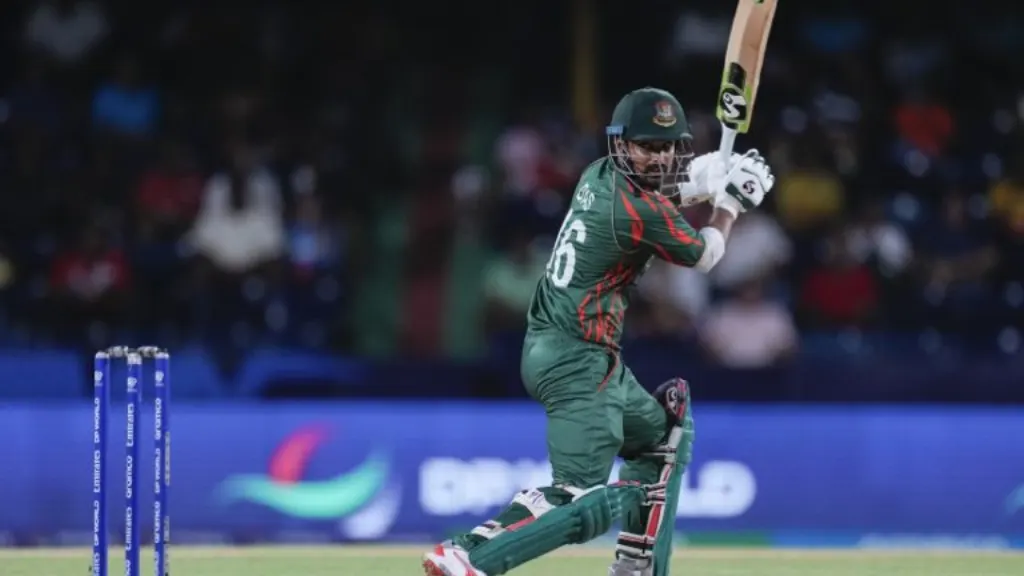
Bangladesh’s Stark Warning After Mustafizur Rahman’s IPL Omission: Calls to Shift T20 World Cup Matches from Sri Lanka
Following the release of Bengali fast bowler Mustafizur Rahman from the Kolkata Knight Riders in accordance with the dir
 Cricket News
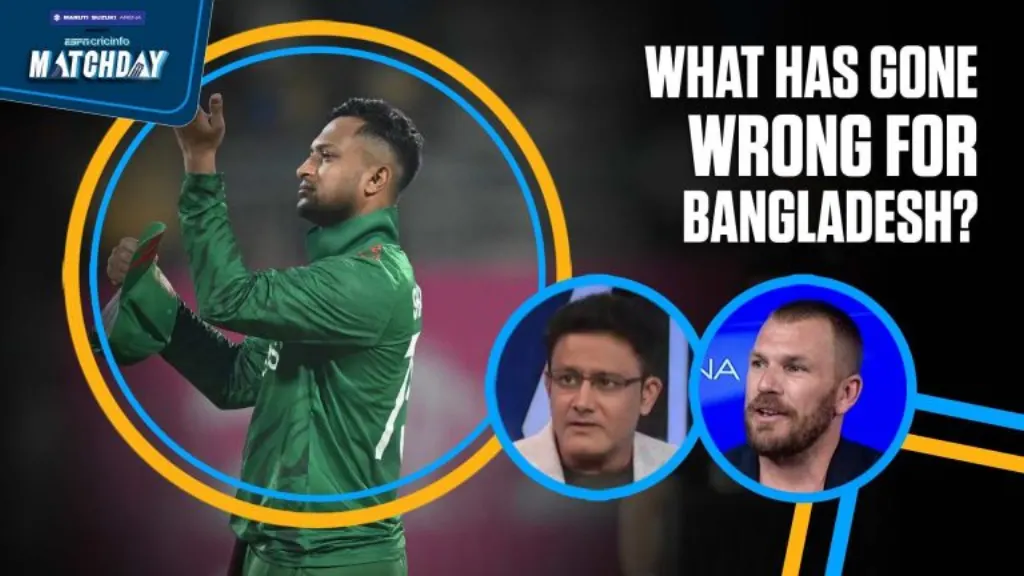
Bangladesh to Skip India Tour Ahead of T20 World Cup Following Mustafizur Rahman Controversy
The Bangladesh Cricket Board (BCB) has announced that the national team will not tour India for the upcoming T20 World
 Cricket News
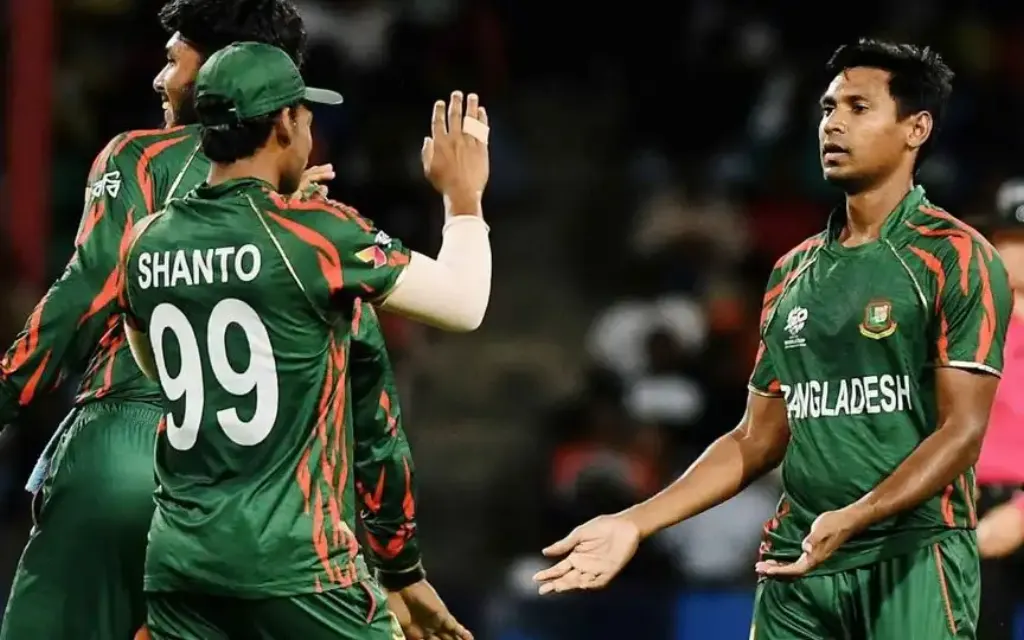
Mustafizur Rahman Controversy: Political Tensions Between India and Bangladesh Cast Shadow Over Cricket
The recent Mustafizur Rahman controversy has highlighted the increasing political tensions between India and Bangladesh,
Mustafizur Rahman Shines Bright After IPL Exit, Achieves Major Milestone in T20 Cricket
Mustafizur Rahman has recently created a significant stir in cricket circles following his exit from the Indian Premier