Asia Cup 2025: What If India Continues to Avoid Playing Against Pakistan? Understanding the Implications
Contents6
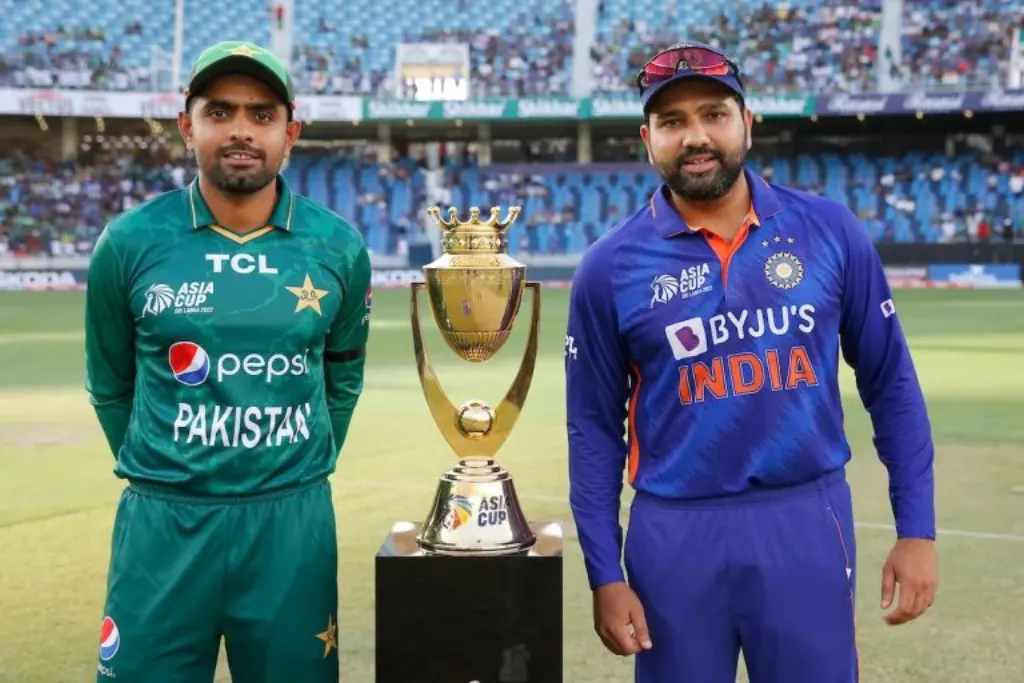
As the India-Pakistan cricket teams gear up for their much-anticipated clash in the Asia Cup 2025 at Dubai International Cricket Stadium, tensions simmer below the surface. With both teams eager to secure a spot in the Super-4, there’s a looming question: what happens if India chooses to avoid playing against Pakistan? Historical context shows that in previous tournaments, like the World Championship of Legends, India’s refusal to engage led to Pakistan advancing unopposed. If India opts out this time, it could mean a forfeit, handing critical points to Pakistan and raising eyebrows among fans and analysts alike. This situation highlights not only the sportsmanship involved but also the intense political ramifications of cricketing rivalries.
Related reading : Asia Cup 2025: the epic showdown between India and Pakistan will take place at this…
The upcoming Asia Cup 2025 promises to be a thrilling spectacle, especially with the anticipated clash between two long-standing rivals, India and Pakistan. However, recent protests from various entities have raised questions about whether India should participate in matches against Pakistan. This article explores the potential consequences if India continues to avoid playing Pakistan, touching on legal, competitive, and emotional ramifications.
Related reading : Is the Asia Cup 2025 at risk? UAE cricket board clarifies concerns over India-Pakistan…
The State of Rivalry
The India-Pakistan cricket rivalry is legendary, attracting millions of fans and generating immense anticipation each time the teams face off. With the Asia Cup 2025 taking place at the Dubai International Cricket Stadium, both teams are gearing up for battle. Yet, recent political tensions have sparked significant opposition to this match, leading to calls for a boycott. As preparations intensify, it remains to be seen if India will indeed step onto the field against their neighbors.
Political Tensions and Fan Reactions
The relationship between India and Pakistan has faced numerous strains, especially following troubling incidents such as the tragic terrorist attack in Pahalgam that left 26 innocent people dead. Public sentiment remains strong against playing a match under such circumstances. Sports analysts have pointed out that despite efforts from cricket officials, the outcry from fans and former players might play a pivotal role in dictating the outcome.
Social media platforms buzz with calls for the boycott, where fans express profound unease about the implications of participating in matches given the current climate. This palpable tension adds another layer of complexity to the rivalry, transforming what should be a celebratory event into a contentious issue.
The Consequences of Not Playing
If India opts to withdraw from matches against Pakistan during the Asia Cup 2025, it could result in serious competitive implications. Any match not played would automatically be considered a forfeit, granting Pakistan the points without contest. Under such a scenario, the Indian team would receive no points, severely affecting their chances of qualification for the Super-4 stage.
Historical Precedent
Looking back, there have been instances in the past where India faced similar dilemmas. During the World Championship of Legends, prior Indian players chose not to play against Pakistan, resulting in Pakistan progressing to the finals without a contest. This historical context sheds light on possible outcomes if India continues down the path of avoidance.
Impact on Super-4 and Beyond
The ramifications of India not playing against Pakistan could extend to the Super-4 stage as well. If both teams find themselves in the finals and India refuses to play, Pakistan would be declared the champion by default. Such a scenario could not only diminish India’s prospects in the tournament but also leave a bitter taste in the mouths of fans and players alike.
Current Trends and Future Outlook
As it stands, the cricketing landscape is rife with uncertainty. Various figures in the cricketing world, including former players, have expressed their views. For instance, Harbhajan Singh has publicly opposed the idea of this much-anticipated match occurring amid rising tensions. For more on this, you can read more here.
It is incumbent upon cricketing authorities and players to reach a consensus, considering not just the competitive implications but also the sentiments of the broader community. To explore more of this dynamic relationship and its future, view more here.
Whatever the outcome, it’s clear that the decision will resonate deeply within the cricket community and beyond. As anticipation builds for this historic match during the Asia Cup 2025, the cricketing world holds its breath to see where the chips may fall. For an in-depth look into the implications of not facing Pakistan, please follow the discussion here.
Read next
 Cricket News
Asia Cup 2025: the epic showdown between India and Pakistan will take place at this venue, with match timing now revealed
Asia Cup 2025: A Thrilling Clash Awaits The Asia Cup 2025 promises an exhilarating showdown as India goes head-to-head w
 Cricket News
Asia Cup 2025 Final: Mohsin Naqvi Eager to Present Trophy, What’s in Store for Team India’s Stand?
The excitement surrounding the 2025 Asia Cup Final is palpable, especially with Mohsin Naqvi, the President of the Asian
 Cricket News
Patriotism vs. Profit: Why is India Playing Against Pakistan in the Asia Cup?
The Asia Cup has kicked off, but the real anticipation lies in the upcoming match between India and Pakistan. Amid
 Cricket News
Is the Asia Cup 2025 at risk? UAE cricket board clarifies concerns over India-Pakistan match
The Asia Cup 2025 is scheduled to kick off on September 9, with a highly anticipated clash between India and