Youth Involved in Brawl During Cricket Match
Contents6
The world of cricket, often celebrated for its spirit of sportsmanship, has witnessed a disturbing surge in violence during matches. Recently, several incidents have emerged where youths have been involved in brawls during cricket games, leading to tragic outcomes. One notable case involved a 22-year-old man named Vishal, who lost his life in northwest Delhi after trying to intervene in a fight during a match. This shocking event left a grieving family in its wake and sparked outrage within the community. Such incidents highlight a troubling trend where competitive emotions escalate into violent confrontations, raising concerns about the culture surrounding local cricket matches. In another instance, a youth was brutally beaten with a bat for complaining about being hit by a ball during a game, showcasing the alarming nature of aggression in what should be a celebratory sporting event. Furthermore, various reports of clashes during tournaments across different regions emphasize the need for addressing sports-related violence to protect players and spectators alike.
The world of cricket, while often celebrated for its spirit of competition and camaraderie, occasionally falls victim to the darker side of human emotions. Recent incidents have shed light on the disturbing trend of violence during cricket matches, particularly involving youth. This article aims to explore various occurrences of brawls during cricket matches, analyzing their causes and consequences, and the implications for the future of the sport.
Tragic Incidents and Their Impact
One of the most harrowing examples occurred in northwest Delhi, where a 22-year-old named Vishal lost his life following a brawl during a cricket match. Witnesses reported that tensions escalated quickly, resulting in a violent altercation that led to his tragic death. Such incidents highlight the potential for cricket—an event typically filled with excitement and sportsmanship—to turn devastatingly destructive.
Similarly, there have been reports from various locations such as Faridabad, where youth were injured during cricket match altercations. These stories reveal a recurring problem in which mere disagreements can explode into chaos, putting the safety of players and spectators at risk. Promoting a healthy sporting environment must become a priority to prevent further occurrences.
Understanding the Causes of Violence
What drives young individuals to engage in violence during what should be a joyful sporting event? A combination of factors may be at play, including rivalry, competitive spirit, and the influence of societal pressures. The cultural significance of cricket in many regions often exacerbates these feelings, as the stakes can feel extraordinarily high, inflating emotions to unacceptable levels.
Moreover, peer pressure can also be a motivating factor. Young people may feel compelled to escalate situations to prove their worth or loyalty to their friends, creating a cycle of violence that can spiral out of control. It is crucial to address these underlying issues through education and community engagement to foster a more positive mindset around sportsmanship.
Consequences of Violent Incidents
The repercussions of these brawls extend beyond immediate physical harm. Families are left to mourn the loss of loved ones, as exemplified by the aforementioned case in Delhi. Additionally, such violence tarnishes the reputation of cricket, resulting in diminished participation and enthusiasm for the sport. Events can be marred by chaos, leading to increased scrutiny from authorities and calls for stricter regulations.
Even at a community level, the impact of violence in sports can resonate widely. When young people witness violence during cricket matches, it influences their perceptions of acceptable behavior and conflict resolution, potentially leading to a cycle of violence. Addressing this issue requires a collaborative effort from players, coaches, and governing bodies to instill a culture of respectful competition.
Moving Towards a Peaceful Sporting Culture
The question remains: how can we promote a more peaceful environment during cricket matches? Education and awareness campaigns aimed at both players and spectators can play a vital role in addressing behavior during games. Coaching clinics that emphasize sportsmanship and conflict resolution could help shape a new generation of players who value respect and integrity over aggression.
Furthermore, officials and governing bodies should consider implementing stringent penalties for violent behavior to dissuade such occurrences. Creating a robust framework that outlines clear consequences for fighting during matches may serve as a deterrent, pushing individuals towards a more measured response in heated situations.
A Call for Change
As cricket enthusiasts, we hold the power to change how the game is perceived and played. It is imperative that we collectively advocate for a culture that celebrates the true essence of cricket—teamwork, respect, and enjoyment. Together, we can transform young lives and ensure that cricket matches remain a source of joy rather than tragedy.
For those interested in more insights about cricket, check out some of the coverage on this evolving subject, as well as notable matches such as the recent India vs Australia U-19 match, a reminder of what cricket truly represents.
Comparison of Recent Youth Violence Incidents in Cricket Matches
Read next
 Cricket News
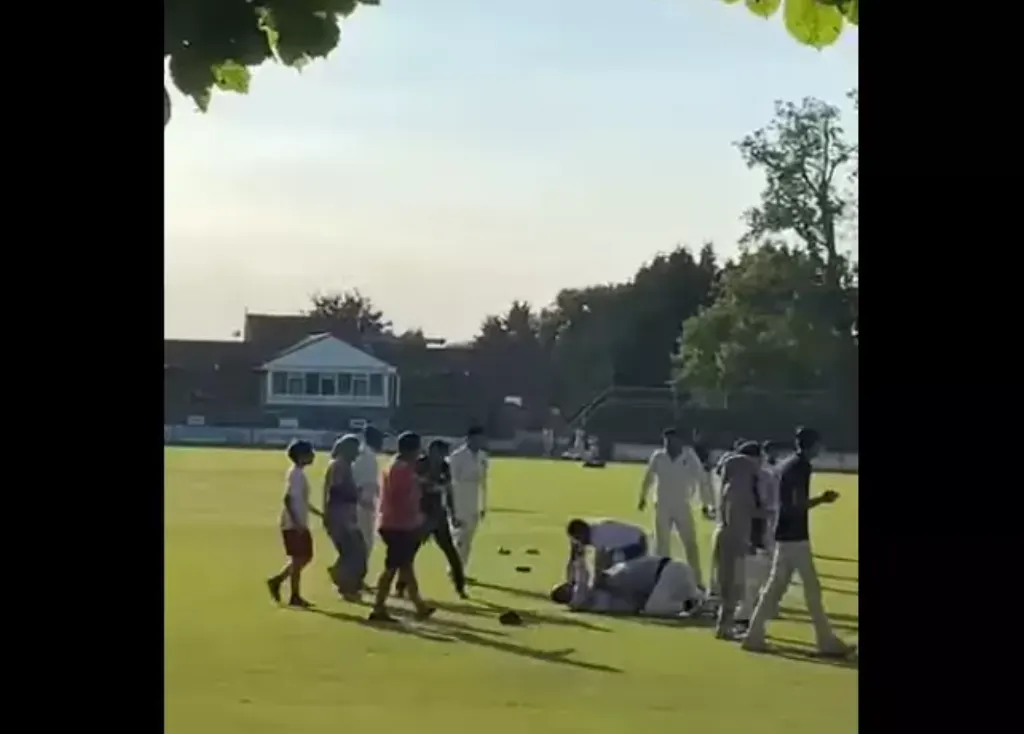
brawl erupts during cricket match, charges filed against six individuals
A brawl erupted during a cricket match in Govindpur village, Rudrpur, leading to serious allegations. Pawan Yadav filed
 Cricket News
Chauhan Cricket Academy triumphs in the match
In a thrilling encounter at the Alpine Cricket Academy’s Under-14 tournament, Chauhan Cricket Academy emerged victorious
 Cricket News
after 22 years, these two teams will face off in a test cricket match that will last fewer than five days
Exciting Cricket Encounter Ahead After a long hiatus of 22 years, the cricketing world eagerly anticipates the unique te
Madanpur Triumphs Over Ghazipur in a Thrilling Cricket Match
The recent cricket competition held at the Bhadsar-Rajapur Sports Ground saw an exciting opening match between Madanpur