Why did Rohit Sharma ultimately have to retire from Test cricket?
Contents10
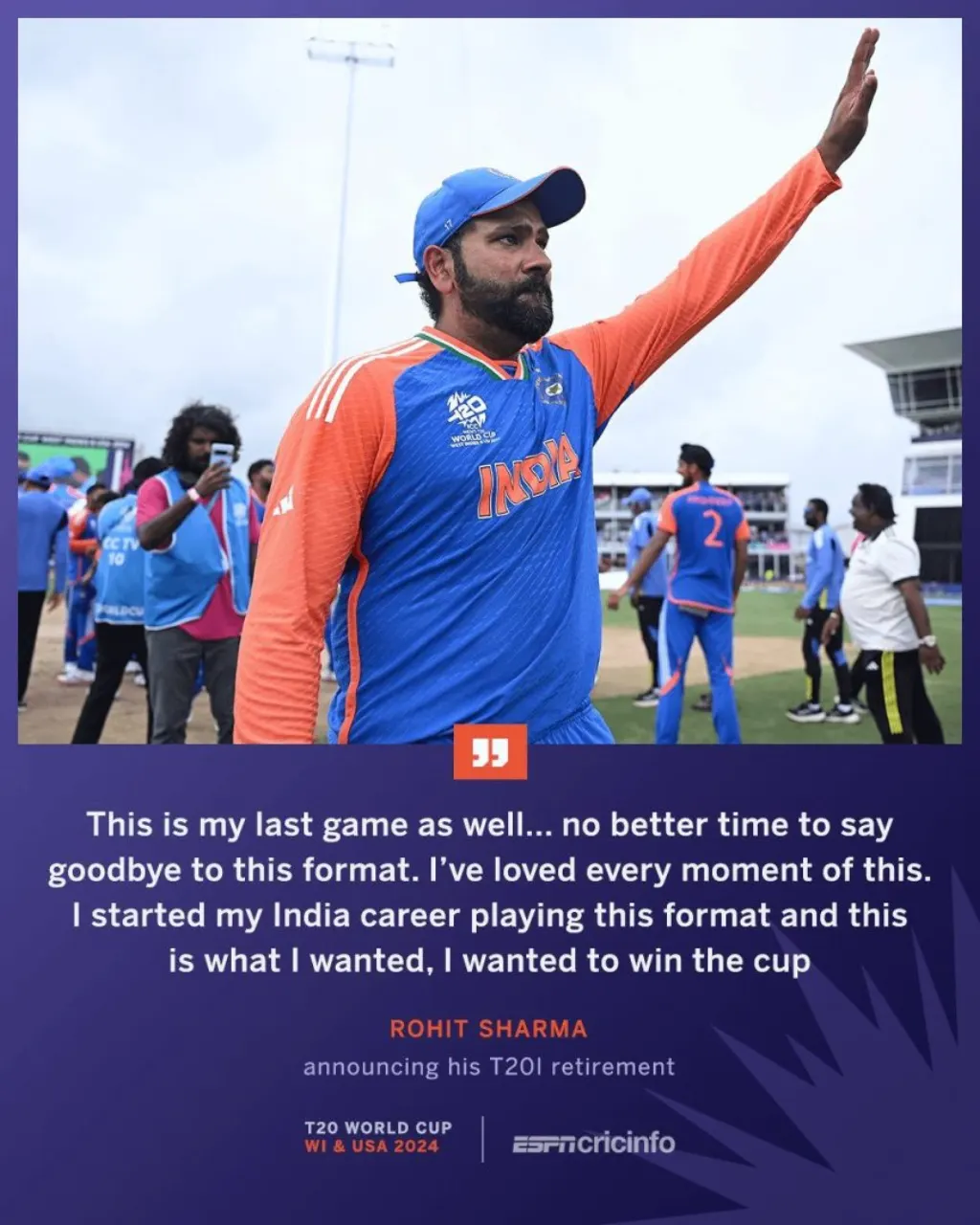
Rohit Sharma’s retirement from Test cricket came after a series of challenges, including the struggles to secure a stable position in the team. Following an underwhelming performance in recent tours, including a historic 0-3 defeat against New Zealand, it became evident that his role as captain and player was in question. His decision to withdraw from the playing eleven during the Australia series raised eyebrows, showcasing a level of self-awareness about his place in the team.
Related reading : Why did Rohit and Virat retire from test cricket? Shardul Thakur reveals the secret
Despite some successes, like leading India to an ICC Champions Trophy title, the increasing competition and the upcoming World Test Championship cycle indicated that he may not be able to maintain his position. Ultimately, after not being selected for the England tour, it solidified the idea that his time in Test cricket was over, prompting his retirement announcement.
Rohit Sharma’s recent retirement from Test cricket surprised many fans and cricket analysts alike. It marked the end of an era for Indian cricket, raising numerous questions about his career choices and the factors influencing his decision. This article explores the circumstances surrounding his retirement, his legacy, and what lies ahead for Indian cricket post-Rohit.
Related reading : Rohit Sharma opens up about his pain on retirement from Test cricket, sharing heartfelt…
The Turning Point: The Australia Tour
Rohit Sharma was last seen representing India in Test format during the team’s tour of Australia. A pivotal moment came when he opted to withdraw from the fifth Test match held in Sydney, which stirred considerable discussion within the cricketing community. Rarely has a captain presented such a choice, as only one other instance exists in the annals of Test cricket history. This decision sparked both admiration and criticism, proving that only a cricketer of Rohit’s caliber could make such a bold choice.
Rumblings of Retirement
Following the series against Australia, rumors regarding Rohit’s potential retirement from Test cricket began to circulate. His captaincy faced scrutiny as it became increasingly clear that making the cut for the upcoming Test series was going to be a monumental task. The new cycle of the ICC World Test Championship starting in June only added pressure, making it almost impossible for him to remain a significant player amidst the fierce competition.
A Candid Conversation with Selectors
In an honest conversation with the selectors, Rohit expressed his desire for transparency if they were considering dropping him from the team. This straightforwardness showcased his approach to leadership and decision-making. By seeking clarity, he aimed to prepare for his future, indicating a level of self-awareness about his capabilities and contributions to the squad.
Shifting Dynamics in the Team
Following Rohit’s absence during the Australia tour, India clinched the ICC Champions Trophy under his captaincy, adding to the accolades of his leadership. However, the whispers grew louder as some sources claimed that Rohit may have accepted the reality that his Test career was coming to an end. Despite voicing his intentions of not considering retirement earlier in April, the selectors delivered the news via an Instagram post that he wouldn’t be part of the squad for the England tour.
Performance Metrics and Realities
When examining Rohit’s statistics in Test cricket, it’s essential to recognize that he falls short of being among India’s top Test batters. With 4,301 runs scored in 116 innings, his performance numbers lag behind several prominent players such as Ajinkya Rahane, MS Dhoni, and Mohinder Amarnath. This raises questions about his impact in the longer format of the game, especially considering the physical toll and the injury setbacks that influenced his earlier years.
Related reading : When Rohit Sharma Contemplated Quitting Cricket: A Journey of Resolve and Passion
Impact of Injuries on Career
Rohit’s journey in Test cricket was riddled with challenges, especially due to injuries. Despite making a memorable debut, which caught the eyes of legends like Ian Chappell, his inconsistency hindered him from cementing a permanent spot in the team. While he made commendable comebacks, significant injury lay-offs stunted his progress in Test cricket compared to his success in limited-overs formats.
Late Bloom and Revival
It wasn’t until 2019, six years after his Test debut, that Rohit found his footing as a formidable Test batsman. His role as an opener revitalized his career, leading him to score 60% of his total runs since then. Setting a remarkable record of 12 centuries—each contributing to a team victory—in Tests speaks volumes of his capabilities, yet raises the question of what might have been had injuries not disrupted his flow.
A Leadership Vacuum
With Rohit’s departure, the immediate query arises: who will assume the captaincy mantle? The leadership dynamics within the Indian cricket team are bound to shift as it becomes evident that multiple captains are needed across different formats. Shubman Gill stands out as a potential successor, though others like KL Rahul and Shreyas Iyer may also contend for the role.
Conclusion: An Era Bows Out
Rohit Sharma’s retirement from Test cricket underscores a pivotal moment in Indian cricket, reminiscent of the eventual writes of greats like MS Dhoni. As Indian cricket charts a new course, the legacy of Rohit Sharma serves not only as a reminder of his contributions but also as a learning curve for the upcoming generations to explore leadership, teamwork, and resilience on the international stage. With ever-evolving dynamics, new faces will emerge, and the future of Indian cricket seems poised for promising developments.
For more insights on Rohit Sharma’s unexpected retirement, you can check resources like Firstpost, DNA India, and Cricket One.
Reasons Behind Rohit Sharma’s Retirement from Test Cricket
Read next
 Cricket News
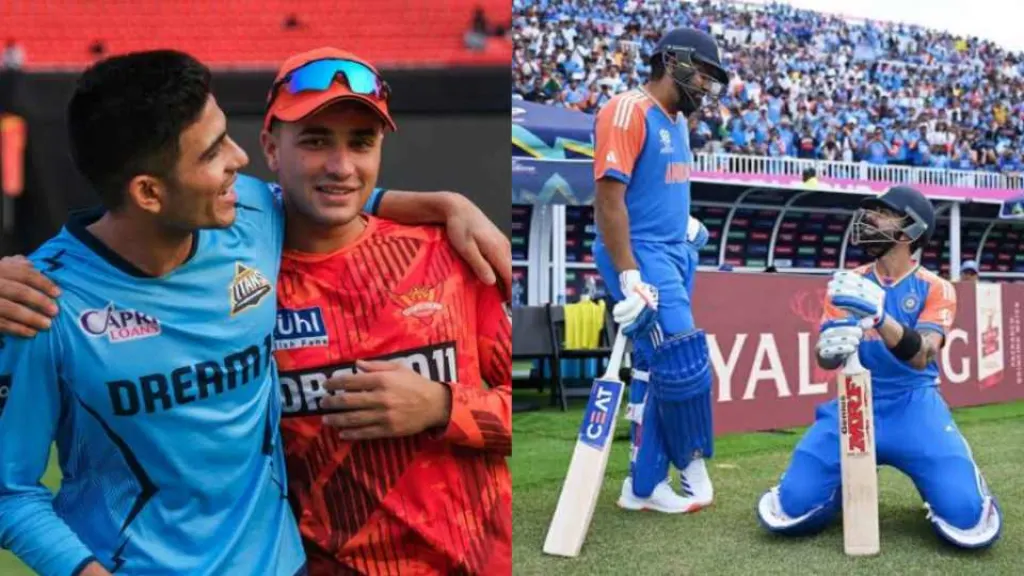
Why did Rohit and Virat retire from test cricket? Shardul Thakur reveals the secret
Shardul Thakur recently provided insights into Rohit Sharma and Virat Kohli‘s decisions to retire from Test cricket. He
 Cricket News
Will virat kohli and rohit sharma retire from ODI cricket after the australia tour? sourav ganguly weighs in
Will Virat Kohli and Rohit Sharma Retire from ODI Cricket? Speculation is rife regarding the future of Virat Kohli and
 Cricket News
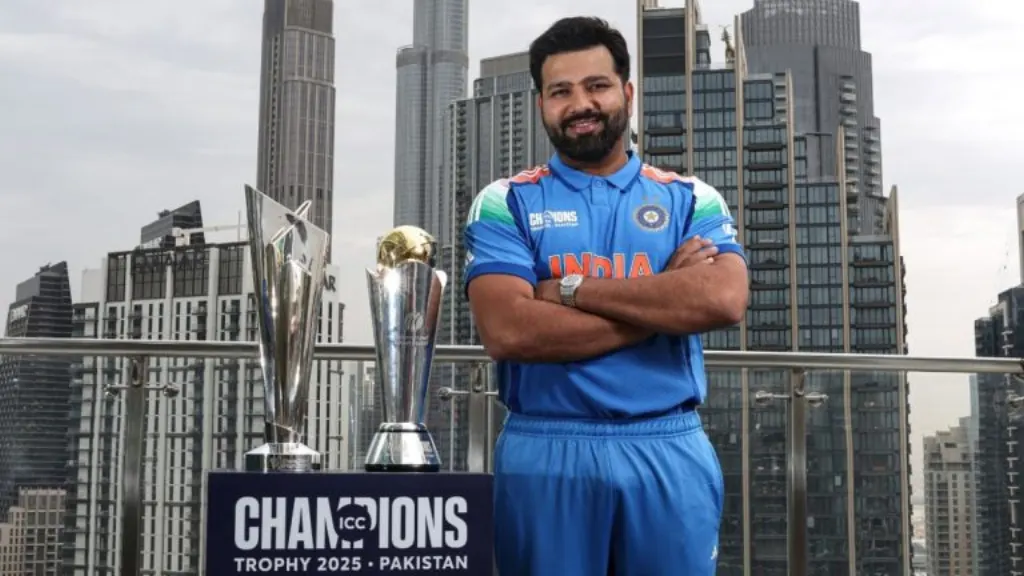
Rohit Sharma opens up about his pain on retirement from Test cricket, sharing heartfelt thoughts with his wife Ritika
Rohit Sharma, the legendary Indian cricketer, recently retired from Test cricket, making waves across the cricketing wor
 Cricket News