UK Politicians Urge England Cricket Team to Cancel Champions Trophy Match Against Afghanistan Over Taliban Restrictions on Women

Contents8
In a strong move, over 160 UK politicians have called for the England cricket team to boycott their upcoming Champions Trophy match against Afghanistan due to the Taliban’s oppressive restrictions on women’s rights. The lawmakers have expressed their desire for England’s players to speak out against the treatment of women in Afghanistan, urging the England and Wales Cricket Board (ECB) to take a stand. In a letter addressing the issue, they emphasized the need for action to indicate that such abusive practices will not be tolerated. The call to boycott reflects broader concerns about human rights in Afghanistan under Taliban rule, challenging the international cricket community to reconsider its engagement with the country.
Related reading : Why is there a Call to Ban Afghan Cricket in the UK?
In a bold move that highlights the intersection of sports and social justice, over 160 UK politicians have called on the England cricket team to boycott their upcoming match against Afghanistan in the Champions Trophy 2025. This plea stems from concerns regarding the Taliban’s oppressive restrictions on women within Afghanistan, making it a significant topic of debate not only in cricket circles but across the globe.
The Call to Action
The letter signed by these politicians urges the England and Wales Cricket Board (ECB) to take a stand against the Taliban regime by canceling the match scheduled for February 26. They emphasize that playing against Afghanistan would be tacit approval of the inhumane treatment of women and girls under the Taliban’s rule. The signatories of the letter include prominent politicians, signaling a shared concern about the discrimination faced by Afghan women.
Cricket Meets Advocacy
Engaging in social activism through sports is not new, but it has gained momentum following various movements advocating for human rights globally. Politicians posit that if the England cricket team were to choose not to play, it would send a strong message against the oppressive policies that restrict women’s participation in sports and other sectors.
Response from the England Cricket Board
As this issue garners momentum, the ECB has responded by condemning the treatment of women in Afghanistan. Richard Gould, the chief executive of the ECB, has called for a unified response from all member nations toward Afghanistan’s participation in international cricket. He reiterated that the ECB’s position remains that they will not engage in any bilateral activities with the Afghanistan cricket team until the situation improves for women and girls in the country.
The Historical Context
The restrictions imposed by the Taliban, particularly following their return to power in 2021, have systematically dismantled the rights of women and girls, including their rights to education and participation in sports. The Afghanistan women’s cricket team has faced persecution, leading to many players fleeing the country to seek safety and a chance to pursue their passion for the game.
International Precedents
There are precedents where countries have made similar decisions based on human rights issues. For example, Australia postponed their One Day International series against Afghanistan, citing the decline of women’s rights under the Taliban. Such actions highlight a growing trend in the sports community to prioritize humanitarian concerns over traditional competition.
Societal Reactions
The reaction from the public and cricket fans has been mixed. While many laud the politicians for taking a stand, others argue that sports should remain separate from politics. Nevertheless, the discourse illustrates that sports can be a powerful platform for advocating change and raising awareness about pressing issues like women’s rights.
Next Steps
As the Champions Trophy approaches, the pressure mounts on the ECB to act decisively. The repercussions of their decisions will not only affect the cricketing world but could also influence broader discussions about human rights, particularly regarding how international sports engage with nations under repressive regimes. The dialogue continues around the necessity of holding sports teams accountable for the actions of their governments, and whether it’s appropriate for politics to invade the cricket pitch.
Comparison of Key Aspects of the Proposed Boycott
Read next
 Cricket News
Live Cricket Scores: South Africa Claims Victory Over Afghanistan by 107 Runs After 5 ODI Matches in the 2025 Champions Trophy
South Africa marked a dominant start to their ICC Champions Trophy campaign by defeating Afghanistan by 107 runs in the
 Cricket News
Danish Kaneria Takes a Stand: Criticizes Pakistan Cricket Board Over Champions Trophy Concerns
In a recent statement, former Pakistan spinner Danish Kaneria has openly criticized the Pakistan Cricket Board (PCB) reg
 Cricket News
Indian women’s cricket team aims for ODI series victory against England, showdown at Lord’s ahead
The Indian women’s cricket team is set to continue its impressive performance as they face England in the second One
 Cricket News
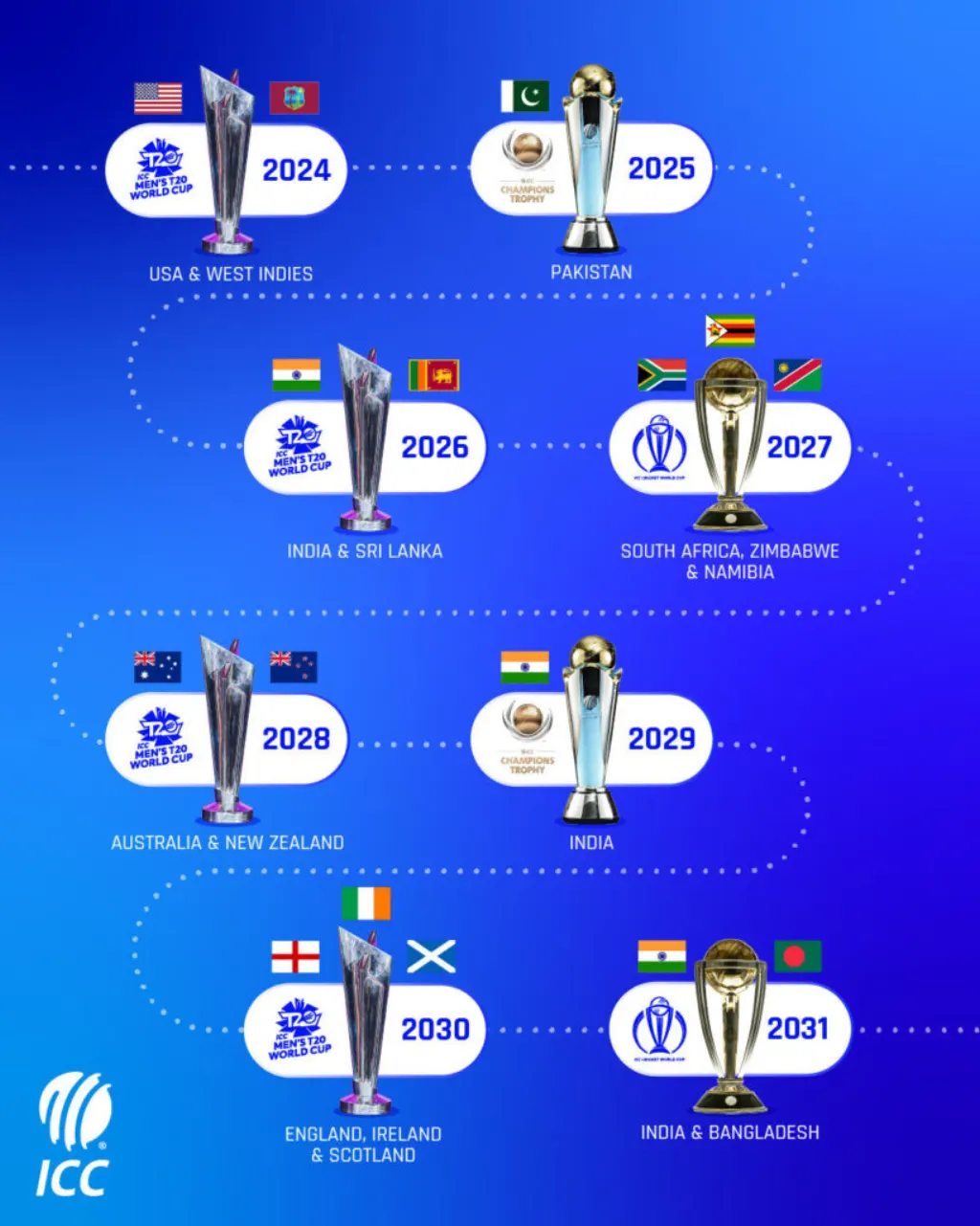
India Men’s Cricket 2025 Complete Schedule: Champions Trophy, Asia Cup, and England Tour; Here’s What to Expect for the Indian Team in 2025
India Men’s Cricket 2025 Complete Schedule: The year 2025 promises to be significant for the Indian cricket team, featur