the evolution of cricket: from a rich man’s game to a sport for all
Contents4
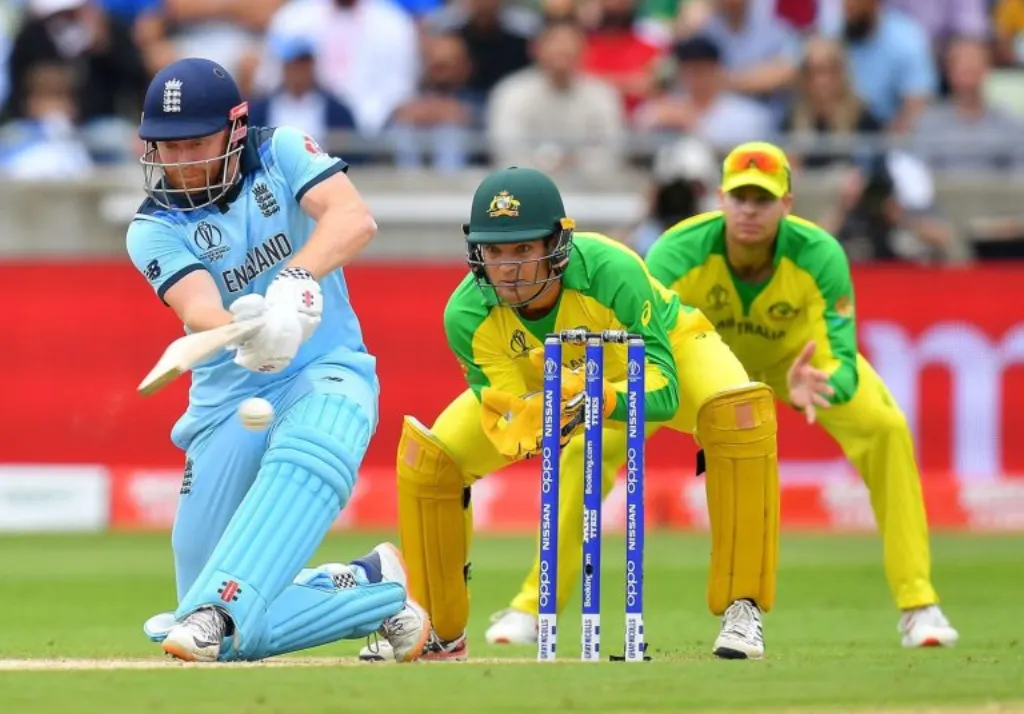
Cricket has undergone a remarkable transformation from what was once perceived as a rich man’s game to a sport that is now accessible to all. Historically, cricket was linked to the Victorian era, where it was played predominantly during working hours over the course of five days, making it difficult for the working class to participate. Participation was largely limited to the elite, and players from lower backgrounds were often not considered gentlemen.
However, the introduction of formats like One Day Internationals and T20 cricket revolutionized the game, making it more appealing to a broader audience. Today, cricket thrives globally, with nations from various economic backgrounds engaging in the sport. Despite ongoing concerns about participation disparities between cricketing giants and newcomers, the sport continues to grow, embodying the essence of inclusivity.
The world of cricket has undergone a remarkable transformation over the years, evolving from a game associated with the elite to a beloved sport enjoyed by millions across various demographics. This article delves into the intricate history of cricket, exploring its roots, significant milestones, and the shifts that have democratized this once-exclusive game.
The Early Days: A Game for the Elite
Cricket’s origins can be traced back to the 16th century in England, where it was primarily played by the wealthy. The game developed into its modern form in the 18th century, becoming a social event for the upper classes. Matches were often played on large estates, and the sport was a leisure activity that required significant resources for equipment and ground maintenance.
Initially, participation in cricket was limited due to logistical constraints, as games were typically held during the workweek, making it challenging for the working class to join in. This exclusivity contributed to cricket’s reputation as a sport of the affluent, portraying it as a gentleman’s game. The Victorian era emphasized the importance of morality and gentlemanly conduct, intertwining cricket’s identity with social and class status.
The Transition Begins: Inclusion and Popular Engagement
The late 19th and early 20th centuries saw a gradual shift in cricket’s social fabric as interest grew across different segments of society. Despite the dominance of traditional powerhouses in the game like England and Australia, countries in the West Indies and India began to make their mark, changing the dynamics of international competition. The romanticism of Test cricket still held, but the playing field started diversifying.
The introduction of limited overs cricket in the 1970s marked a pivotal moment in cricket’s evolution. With the advent of One Day Internationals (ODIs) and later T20 formats, the appeal of cricket extended to a broader audience, transcending class barriers. The shorter formats required less time commitment than the traditional Test matches, drawing in fans from various backgrounds and boosting attendance.
The Modern Era: Cricket for Everyone
Today, cricket stands as a global sport, fostering an inclusive ethos that resonates with people of all ages and backgrounds. The rise of domestic leagues, such as the Indian Premier League (IPL), has played a crucial role in making cricket accessible. These leagues attract not only local players but international stars as well, creating a melting pot of talent and culture.
Furthermore, advancements in technology have made cricket more engaging, with innovations such as video analysis and enhanced broadcasting bringing the game closer to fans. Platforms like Sports Cheetah delve into how cricket has adapted over the years and its impact on the international sports landscape.
Challenges Ahead: Preserving the Spirit of the Game
Despite its growth, cricket faces challenges regarding participation and representation. While cricket has become more inclusive, the Test format still struggles to maintain global interest, especially in countries less prosperous in the sport. The disparity in match scheduling and financial backing has led to concerns regarding the future of Test cricket. Experts continue to debate and analyze these dynamics, as observed in discussions surrounding the viability of Test matches in various contexts, including thoughts shared by players like Joe Root.
Addressing the questions of sustainability and accessibility in Test cricket is paramount. Engaging new cricketing nations and providing them with resources is essential to ensure that all fans feel represented in the sport’s future. By understanding its history and the evolution of cricket, we can better appreciate its journey towards inclusivity and the ongoing efforts to maintain its rich heritage.
Read next
 Cricket News
The Evolution of Oman’s Cricket Team: Exploring the Dominance of Gujarati Players
The evolution of Oman’s cricket team showcases a remarkable journey, primarily influenced by the significant presence of
 Cricket News
What team India’s chief selector ajit agarkar said about roko’s retirement and the impact of big players stepping away from the game
Ajit Agarkar, the chief selector for Team India, recently addressed the retirements of Rohit Sharma and Virat Kohli from
 Cricket News
Inspiration from the Women’s World Cup: The Surprising Origin of the Men’s First Tournament
Inspiration from the Women’s World Cup The Women’s Cricket World Cup, which began in 1973, played a pivotal role in
 Cricket News
From Two World Cups to Three Champions Trophies: India’s Remarkable ICC Title Victory Journey
India has cemented its place in cricket history with a record-breaking three Champions Trophy titles, triumphing in the