T20 World Cup: Why Is Team India Heading to Sri Lanka Despite Pakistan’s Withdrawal from the Match?
Contents8
As the T20 World Cup kicks off on February 6, 2026, in Sri Lanka amidst political tensions, cricket fans are left speculating about the implications of Pakistan’s withdrawal from its much-anticipated match against India. Although Pakistan has formally declared it will not participate in the game scheduled for February 15, India remains committed to attending.
Related reading : Facing Threat of Ban, Yet Pakistani Defiance Prevails as ICC Comes Under Pressure
Indian team captain Surya Kumar Yadav confirmed the team’s travel plans to Colombo, emphasizing that they received no directive to abstain from playing. The International Cricket Council (ICC) has specific rules regarding match forfeits, which would see Pakistan lose points if they refuse to play.
Meanwhile, Sri Lanka’s cricket board has urged Pakistan to reconsider its decision, highlighting the potential economic losses from the match’s absence. The tournament rules also state that if a team declines to play, it will be deemed a match defeat, impacting the overall standings significantly. The complexities surrounding governmental influences on team participation further add to the uncertainties of this T20 World Cup event.
As the tournament unfolds, the decisions made by both teams will have lasting repercussions on their standings and future matches, particularly in a competition where every point counts.
The ICC Men’s T20 World Cup 2026 kicks off on February 6 amidst a backdrop of political tension and uncertainties, particularly surrounding Pakistan’s withdrawal from the match against India. As the cricketing world braces for the tournament, India remains unfazed and has confirmed its participation in Sri Lanka. What’s motivating the Indian team to proceed despite Pakistan’s contentious decision? Let’s dive into the intricacies of this unfolding scenario.
Related reading : Will Pakistan Follow Bangladesh’s Footsteps? PCB Responds to T20 World Cup Boycott…
The Political Context
In a dramatic turn of events, political tensions have overshadowed the cricketing landscape, influencing the participation of nations in the T20 World Cup. Pakistan has publicly declared its unwillingness to face India on the field, citing governmental decisions as the primary constraint. This situation has reached a point where Sri Lanka’s cricket board has written to Pakistan, urging them to reconsider their stance, highlighting the significant economic repercussions of such decisions on the tournament.
India’s Determined Stance
India, on the other hand, is taking a clear and determined approach. Captain Suryakumar Yadav has reassured fans and media that the team is gearing up to face opponents in Sri Lanka, irrespective of Pakistan’s withdrawal. The Indian team has reiterated its commitment to the tournament, emphasizing that they have not received directives against playing. Moreover, the team’s flight to Colombo is booked, showcasing their readiness to engage in competitive cricket regardless of the prevailing circumstances.
ICC Regulations and Potential Implications for Pakistan
The International Cricket Council (ICC) has laid out strict regulations concerning participation and match attendance. If Pakistan ultimately fails to compete in its scheduled matches, they stand to lose points in the standings. Such developments create ripples not only within the points table but also impact future broadcasting and sponsorship deals, especially considering that matches between India and Pakistan generate considerable viewership and revenue.
The Role of Sri Lanka in This Saga
Sri Lanka finds itself in a tricky situation. As a neutral venue, they are facilitating the T20 World Cup events while simultaneously grappling with the repercussions stemming from Pakistan’s withdrawal. The Sri Lankan cricket board has taken a proactive approach, urging the Pakistan Cricket Board to rethink their decision. Highlighting past collaborations, Sri Lanka has reminded Pakistan of the times it supported them during difficult phases, suggesting that cricket should transcend political barriers.
Related reading : Team India Heads to Sri Lanka for India-Pakistan Clash in T20 World Cup: The Airport…
The Practical Challenges Ahead
Pakistan’s stance raises challenges not only for their own team but also for other nations and stakeholders involved in the tournament. Teams competing in the T20 World Cup, particularly those aiming for placement in the semi-finals, will be closely monitoring the developments as points erode from the table. Both player performance and net run rates could drastically alter if teams begin to withdraw.
Past Precedents of Withdrawal
Historically, several teams have withdrawn from matches under similar circumstances. Examples include Australia’s and West Indies’ decision during the 1996 World Cup and England’s refusal to play in Zimbabwe during the 2003 World Cup due to security concerns. Such instances have set precedents but did not lead to any substantial penalties from the ICC, which has often failed to adapt enforceable measures for political influences on the game.
Conclusion: Uncertainty Looms
As the day of the match approaches, anticipation combines with uncertainty. For cricketing fans, the on-field action is paramount, yet the off-field decisions weigh heavily on the tournament’s integrity. While India prepares to head to Sri Lanka, the ramifications of Pakistan’s withdrawal hang in the air, leaving stakeholders and fans alike eager to witness how this saga unfolds.
T20 World Cup: Reasons for India’s Participation in Sri Lanka Amidst Pakistan’s Withdrawal
Read next
 Cricket News
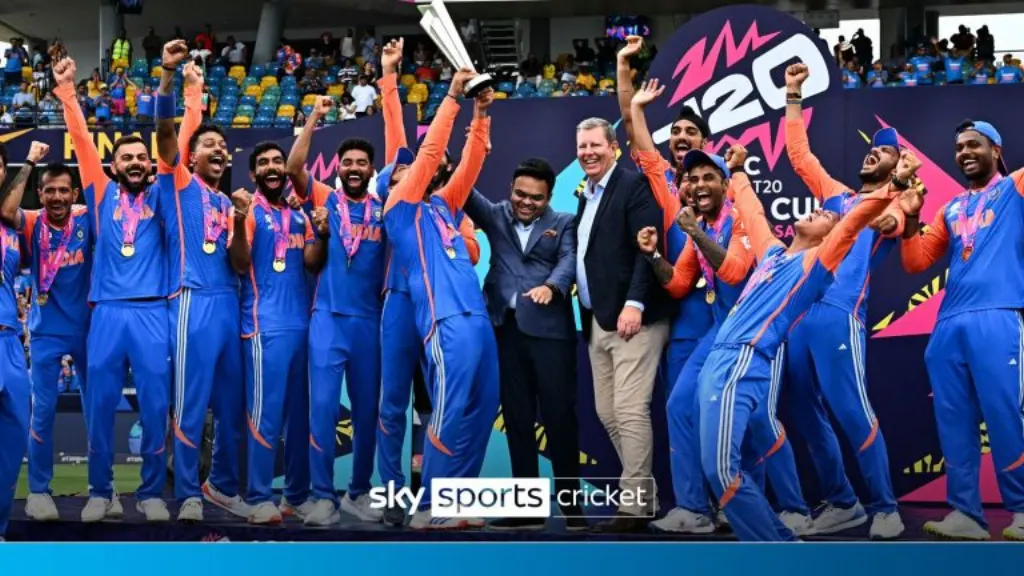
Team India Heads to Sri Lanka for India-Pakistan Clash in T20 World Cup: The Airport Story Behind Their Departure
Team India has officially departed for Sri Lanka to prepare for their highly anticipated match against Pakistan in the T
 Cricket News
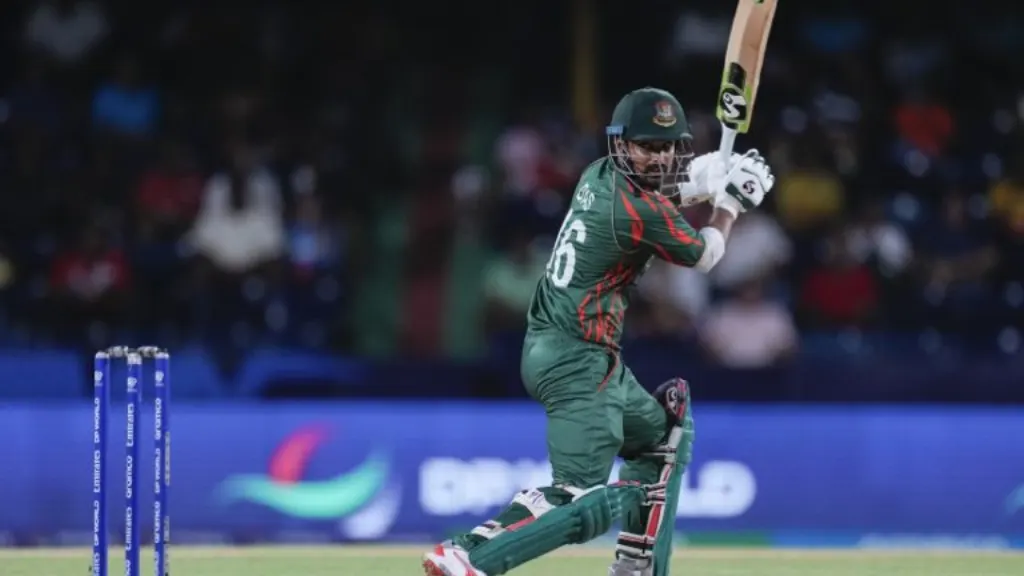
Bangladesh’s Stark Warning After Mustafizur Rahman’s IPL Omission: Calls to Shift T20 World Cup Matches from Sri Lanka
Following the release of Bengali fast bowler Mustafizur Rahman from the Kolkata Knight Riders in accordance with the dir
 Cricket News
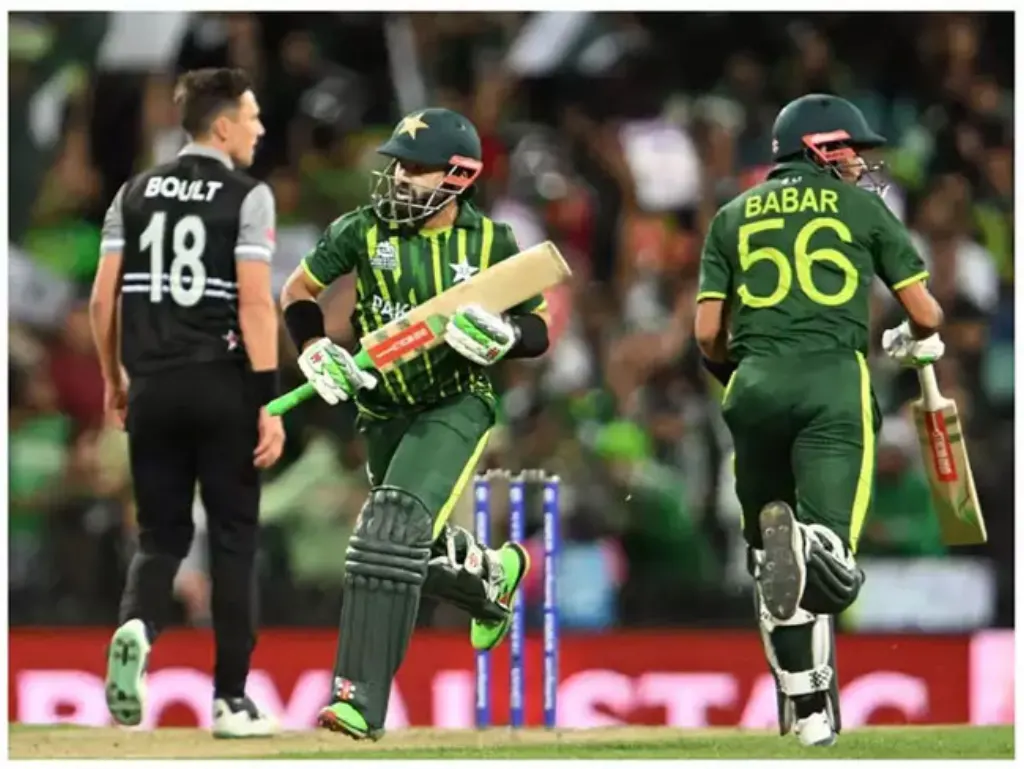
Major Setback for Pakistan Cricket Team Ahead of T20 World Cup
The Pakistan cricket team is facing a significant setback just ahead of the crucial T20 World Cup. With key players
 Cricket News
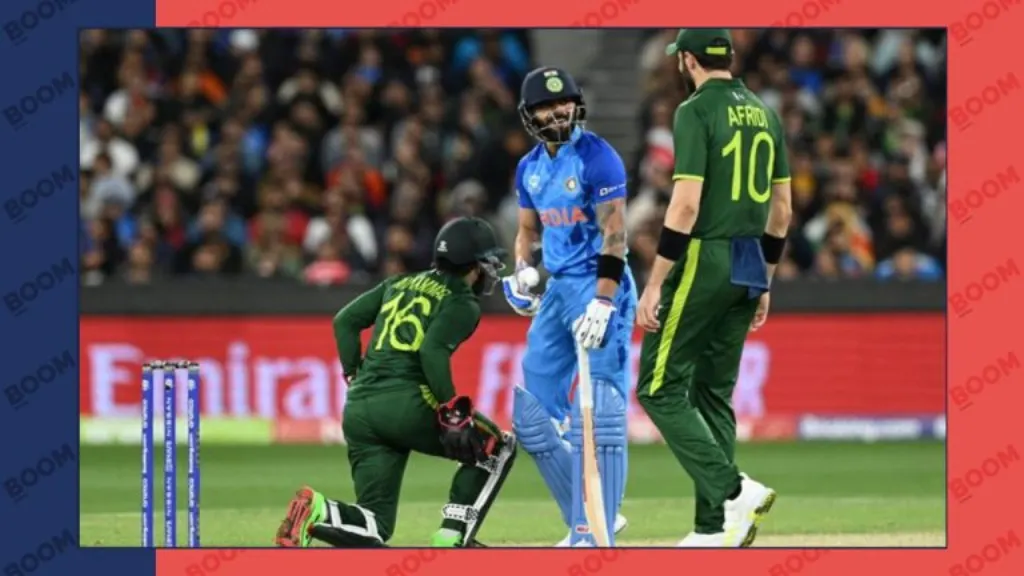
Pakistan Confirms They Will Not Play T20 World Cup Match Against India, Says Shahbaz Sharif
Pakistan’s Prime Minister Shahbaz Sharif has confirmed that the Pakistan cricket team will not play the highly anticipat