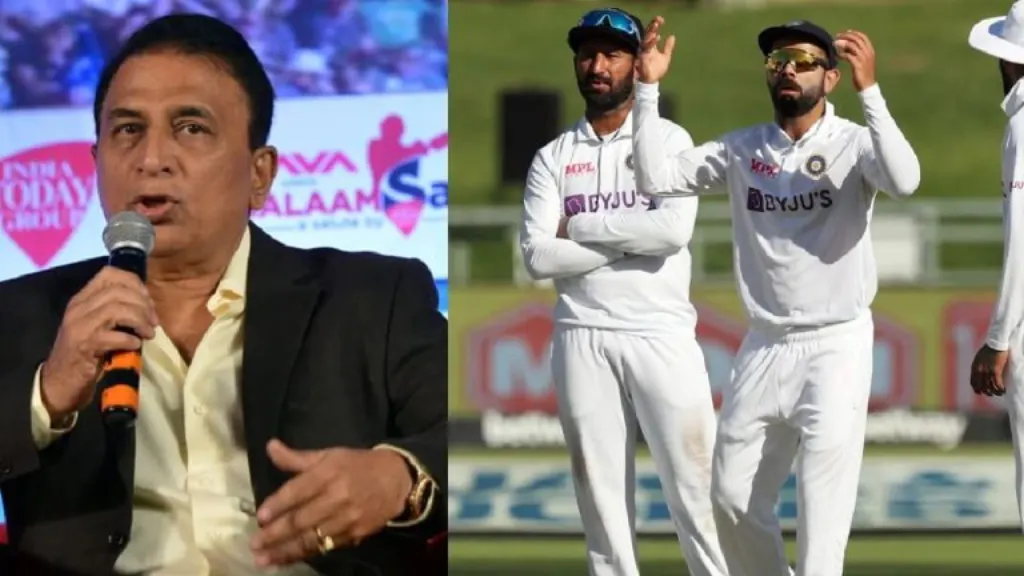
Sunil Gavaskar reacts fiercely to rule change for Dhoni, claiming cricket has been harmed
Contents6
Sunil Gavaskar has expressed his strong discontent regarding the recent rule change related to uncapped players, stating that it has negatively impacted cricket, particularly concerning MS Dhoni. The rule, reinstated ahead of the IPL 2025 season, allows franchises to retain players who have not participated in international cricket for over five years at a hefty price. Gavaskar criticized the decision, arguing that the retention cost of 4 crore for uncapped players could have a detrimental effect on young talents, potentially overwhelming them with sudden wealth and expectations. He highlighted the rarity of uncapped players excelling after receiving such high payments, suggesting the need for a more sensible approach to player retention.
Sunil Gavaskar’s Outspoken Critique
In a recent turn of events, Sunil Gavaskar has expressed his vehement disapproval of the changes surrounding the uncapped player rule that directly affect cricket legend MS Dhoni. His remarks have sparked widespread discussion about the potential negative impact on the game and its players. Gavaskar’s outspoken nature is well-known, and in this instance, he has shed light on how these regulations may ultimately harm the game of cricket.
The Uncapped Player Rule Explained
The new ruling, which allows teams to retain uncapped players who have not played international cricket for five or more years, has caused quite a stir. As the IPL 2025 approaches, this rule was reinstated, allowing franchises to secure talents such as Dhoni for hefty sums, as exemplified by the Chennai Super Kings retaining their iconic captain for ₹4 crores. This decision may seem beneficial to some, but does it truly support the growth of the sport?
A Dangerous Precedent
Gavaskar argues that retaining players like Dhoni at such a high price can set a dangerous precedent for the younger, uncapped players. In his column for Sports Star, he stated that pricing uncapped players too high can have a negative influence on their mindset. The sudden influx of money might overwhelm these athletes, putting undue pressure on them, especially when they might not even be part of their state’s top teams.
Concerns About Young Talent
Gavaskar expressed concern that the young talent in cricket might not thrive if they are given overwhelming financial incentives without adequate experience. He pointed out that over the past few years, many uncapped players who received substantial amounts have struggled to achieve notable success in the sport. A very few instances of glorified instances can hardly justify a system that seems more focused on monetary gain than the actual performance on the field.
Where Do We Go From Here?
As the debate intensifies around this decision, many are left wondering about the consequences for cricket going forward. Will the Indian cricket landscape change, and if so, how? Gavaskar’s critique raises a more pressing question: Is the enhancement of a few players worth risking the integrity and future of the entire sport? The need for change in these regulations should be taken seriously if the aim is to create a balanced and fair competition.
In conclusion, Sunil Gavaskar’s fierce reaction to the rule changes serves as an important reminder of the complexities within the game of cricket. His insights spotlight the need to re-evaluate how players, particularly uncapped ones, are treated within the league framework. While retaining established stars like Dhoni can bring excitement, the implications for young talent cannot be overlooked. Cricket must adapt thoughtfully in ensuring that the rules not only protect but also foster the growth of the game and its future stars.
For more on Gavaskar’s opinions regarding this rule and its implications, check out these articles: Firstpost, NDTV, and Hindustan Times.
Comparison of Sunil Gavaskar’s Reactions and the Rule Changes
Read next
 Cricket News
Sunil Gavaskar’s Bold Claim: India’s B-Team Can Overpower Pakistan Sparks Controversy, Legend Labelled ‘Clown
Sunil Gavaskar’s Bold Claim: India’s B-Team Can Overpower Pakistan Sparks Controversy Cricket legend Sunil Gavaskar has
 Cricket News
IND vs AUS: Sunil Gavaskar’s Bold Statement About the Sydney Pitch – ‘Cows Could Have Grazed Here…’ Let’s Discover the Reason Behind It
IND vs AUS: Sunil Gavaskar’s Bold Statement About the Sydney Pitch Sunil Gavaskar has sparked conversation with his auda
 Cricket News
How Bangladesh’s Media Reacts to Their T20 World Cup Absence in India and the Buzz in Pakistan
Reaction to Bangladesh’s T20 World Cup Absence Bangladesh’s decision to not participate in the T20 World Cup in India, c
 Cricket News
the incredible cricket feat: these 5 star players have never been run out throughout their careers
In the riveting world of cricket, where uncertainties loom and the thrill is palpable, five legendary players have achie