Should India-Pakistan Cricket Matches Continue? A Deep Dive into the Heated Debate
Contents8
The long-standing rivalry between India and Pakistan in cricket has always fueled passionate discussions among fans and analysts alike. Recently, the question has arisen: should these intense matchups continue? Proponents argue that the historical significance and competitive spirit of these games bring nations together, fostering a sense of unity among fans. On the other side, critics highlight the political tensions and safety concerns that can overshadow the sporting spirit. This debate sheds light on the implications of resuming these matches, weighing the excitement against the potential risks. As emotions run high, the discussion continues to evolve, making it a highly relevant topic in the sports community.
Related reading : Sports diplomacy: can cricket bridge the historic rivalry between India and Pakistan?
Cricket has always been more than just a game, especially in India and Pakistan. The ongoing debate about whether India-Pakistan cricket matches should continue has stirred passionate discussions among fans and analysts alike. This article delves into the complexities of this debate, examining the socio-political backdrop, the sporting implications, and the emotional weight carried by these matches.
Related reading : Venue Shifted, Event Changed… Yet the Controversial Landscape of India-Pakistan Cricket…
The Historical Context
The rivalry between India and Pakistan in cricket dates back several decades, characterized by exhilarating matches that often ended in nail-biting finishes. Given the historical tensions between the two nations, these matches frequently transcend the boundaries of sport, becoming symbolic of national pride. The discourse around whether such matches should persist must consider this historical context and its implications for both nations.
Emotion and Patriotism
Every time India and Pakistan clash on the cricket field, it invokes a surge of patriotism and emotion among fans. While some believe that this rivalry fosters national unity and pride, others argue that it perpetuates animosity. Given the current geopolitical climate, is it responsible to continue hosting matches that may inflame existing tensions?
The Sporting Angle
On the sporting front, the Asia Cup presents a significant platform for India and Pakistan to demonstrate their cricketing prowess. Yet, with increasing calls for boycotting matches due to political turmoil, what does it mean for the sport? Are these matches essential for sporting growth, or do they become a distraction from the actual game?
Impact on Players
The pressure on players during these highly charged matches is immense. The psychological toll is often underestimated; players represent not just their teams but their entire nation. The question arises: Are we prioritizing nationalistic fervor over athletes’ mental health and well-being? The debate continues regarding how players can navigate the intensity of such high-stakes matches without succumbing to undue stress.
Media Influence
Media coverage plays a pivotal role in shaping public opinion on this issue. Channels like Aaj Tak have launched forums such as ‘Debate Bajigar’ to engage discussions regarding the complexities of Indian-Pakistani matches. This leads us to ponder: Is the media escalating tensions or merely reflecting the sentiments of the public?
Public Sentiment and Economic Effects
The public sentiment surrounding India-Pakistan matches is multifaceted. While many fans are eagerly in favor of continuing these fixtures for the thrill they provide, economic implications such as tourism, sponsorships, and advertising revenues cannot be ignored. Discussions around whether these matches boost economic growth or destabilize it have gained traction.
Calls for Change
The emergent voices advocating for a pause or complete stoppage of these matches raise valid points regarding security and public safety, particularly in the face of recent events that have marred the cricketing landscape, including controversies surrounding planned matches. How will the cricketing authorities respond to these calls? Will they prioritize the safety of players and spectators over the traditional fervor for competition?
The discourse surrounding whether India-Pakistan cricket matches should continue is a complex web of emotions, history, and social dynamics. With various dimensions to consider—ranging from the sporting aspect to public sentiment and economic consequences—the decision does not rest solely on statistical grounds. It weaves through the very fabric of national identity and pride.
Analysis of the Continuation of India-Pakistan Cricket Matches
Read next
 Cricket News
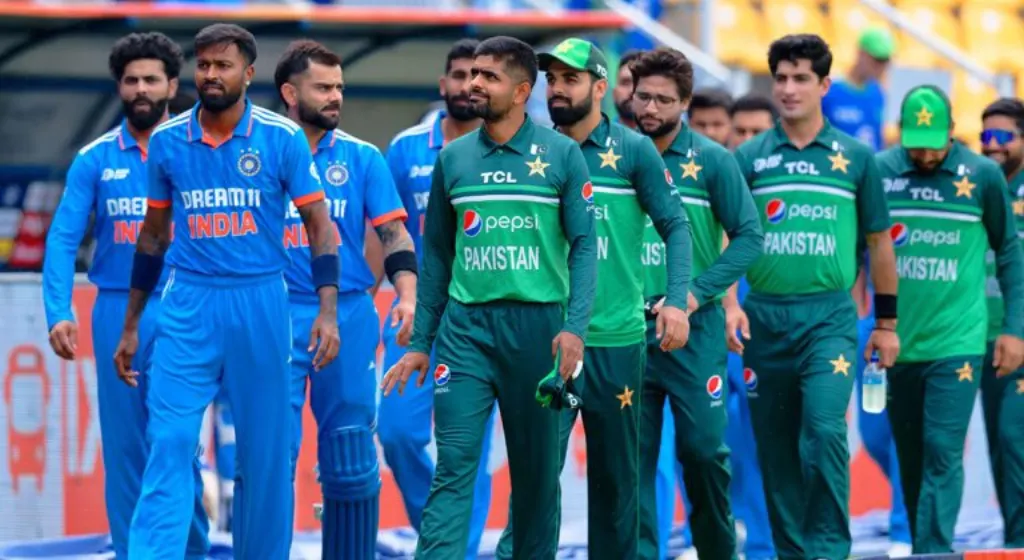
The future of India-Pakistan cricket: will matches resume? Jay Shah’s final decision explained.
The Future of India-Pakistan Cricket: Will Matches Resume? The future of India-Pakistan cricket matches hangs in the bal
Understanding the Allegations of Dishonesty Against Team India: A Deep Dive into ICC’s Concussion Protocol
Recent events sparked controversy regarding Team India’s integrity during the fourth T20 match against England. Followin
 Cricket News
Bangladesh’s Major Blunder Turns Pakistan into ‘Guru Ghantal’, Changing the Cricket Game – India Faces a Tough Challenge Ahead!
In the world of cricket, the adage ‘history repeats itself‘ rings true as Bangladesh adopts an aggressive and stubborn a
 Cricket News
gautam is serious about playing cricket with pakistan, stating that matches will continue, but
Gautam Gambhir’s Stance on Cricketing Ties with Pakistan In a recent statement, former Indian cricketer Gautam Gambhir e