Rising Cricket Star’s Career Destroyed by Drug Addiction: Shocking Actions Before Doping Test Lead to Board’s Drastic Decision

Contents6
In a shocking turn of events, Zimbabwe Cricket has announced the exclusion of senior all-rounder Sean Williams from the national team following his withdrawal from the ICC Men’s T20 World Cup Africa Qualifiers 2025. Just before this significant tournament, Williams voluntarily stepped down, citing a need for rehabilitation as he battles drug addiction. This revelation emerged during an internal investigation coinciding with potential anti-doping testing. Despite acknowledging his struggles, the board emphasized that such actions raised serious concerns regarding professionalism and compliance with team protocols. The decision marks a notable blow for Zimbabwe Cricket, depriving them of an experienced player critical to their recent history, while sending a strong warning to all players about the repercussions of violating established rules.
Rising Cricket Star’s Career Destroyed by Drug Addiction
In a shocking turn of events, the career of a promising cricket star has reached an unfortunate and devastating climax due to drug addiction. This situation has unfolded against the backdrop of an impending tournament, leading to drastic repercussions from the governing board. As teams ramp up their preparations for significant competitions like the ICC Men’s T20 World Cup Africa Qualifiers 2025, the unforeseen complexities surrounding one player’s actions have sent ripples throughout the cricketing community.
Shocking Actions Before Doping Test
In a remarkable series of events, the player in question has reportedly withdrawn from the tournament just before the key doping test was scheduled. This precautionary move was initially interpreted as an act of self-preservation; however, it soon revealed much deeper issues underlying the player’s mental well-being. Instead of stepping up and facing the challenges head-on, the athlete opted to retreat, claiming to need rehabilitation from his addiction.
This turn of events was heightened when it became evident that the decision came after the player proactively identified himself as being potentially unfit for the responsibilities demanded by the tournament. This courageous acknowledgment was overshadowed by revelations from an internal investigation which confirmed the player’s struggles with substance dependency.
Board’s Drastic Decision
Behavioral patterns and the player’s prior records were scrutinized, leading the board to adopt a stringent stance against his participation in the national team. Zimbabwe Cricket issued a statement underlining their expectations for all contracted players to maintain the highest standards of professionalism, discipline, and adherence to anti-doping regulations. The deep-rooted concerns regarding the player’s past discipline issues and repeated absences became focal points in justifying their harsh decision.
This decision reflects not only on the individual but also signals a broader message to the cricket community: no one is above the rules. The board’s resolve to exclude the player from future national selection illustrates a firm commitment to preserving the integrity of the sport, especially in light of the ongoing battles against substance abuse surrounding many athletes in different sports.
Impact on the Player’s Legacy
With a career that has seen many significant moments and achievements, this stigma associated with drug addiction will unfortunately overshadow what could have been a bright future. As one of Zimbabwe’s talented players, his absence from the team will undoubtedly affect dynamics within the squad, just as his unexpected release from international competitions raises eyebrows across the cricketing world.
Organizations like Zimbabwe Cricket are right to send a robust message regarding substance abuse and its ramifications. However, while they have expressed gratitude for the player’s contributions in the past, they are equally recognizing the necessity to prioritize the team’s and the game’s reputation over individual careers.
The Ripple Effect Within the Sport
The echo of this situation extends far beyond just the player involved. It raises serious questions about support systems in place for players facing addiction and emphasizes the pointers to be taken from this case. It is reasonable to wonder if more proactive measures could have been instituted to support players before they reach such critical lows.
As similar cases emerge across the cricketing landscape, the discussion around rehabilitation, responsibility, and recovery becomes paramount. Players must be encouraged to come forward without fear of dire consequences when grappling with addiction or mental health challenges. Initiatives focusing on education and support must be prioritized to prevent future incidents like this from occurring.
In conclusion, while this unfortunate circumstance serves as a cautionary tale, it may also provide an opportunity for introspection and reform within sport, drawing attention to crucial issues that persist in the world of competitive athletics today.
Impact of Drug Addiction on a Rising Cricket Star’s Career
Read next
 Cricket News
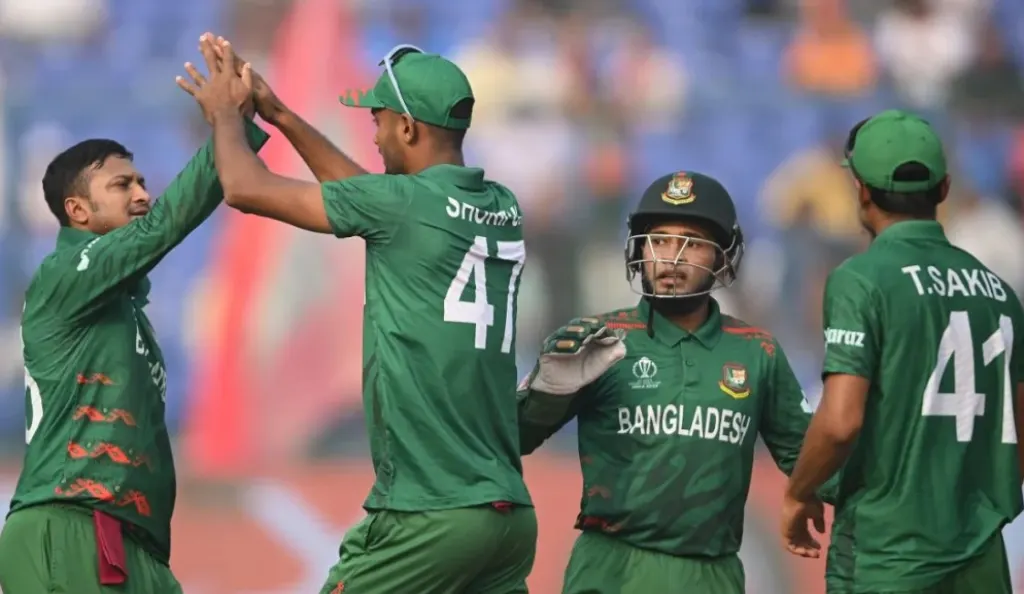
Shakib Al Hasan Faces Bowling Allegations at the Twilight of His Career: Will Undergo Test Before Next Match
The cricketing world is buzzing as Shakib Al Hasan, the renowned Bangladesh all-rounder, finds himself at a critical jun
 Cricket News
Cricket Board Suspended Amid Asia Cup: ICC Delivers a Shocking 440 Volt Jolt
The International Cricket Council (ICC) has taken a drastic step by suspending the USA Cricket Board, raising eyebrows i
 Cricket News
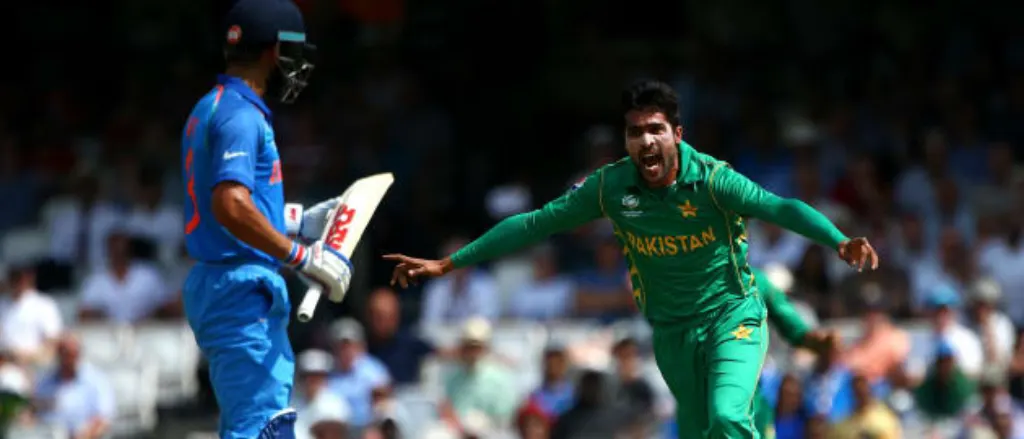
A Pakistani Bowler Apologizes: Ashamed of His Actions in the Champions Trophy
A Pakistani bowler recently issued a public apology for his actions during the Champions Trophy. After a match between I
 Cricket News
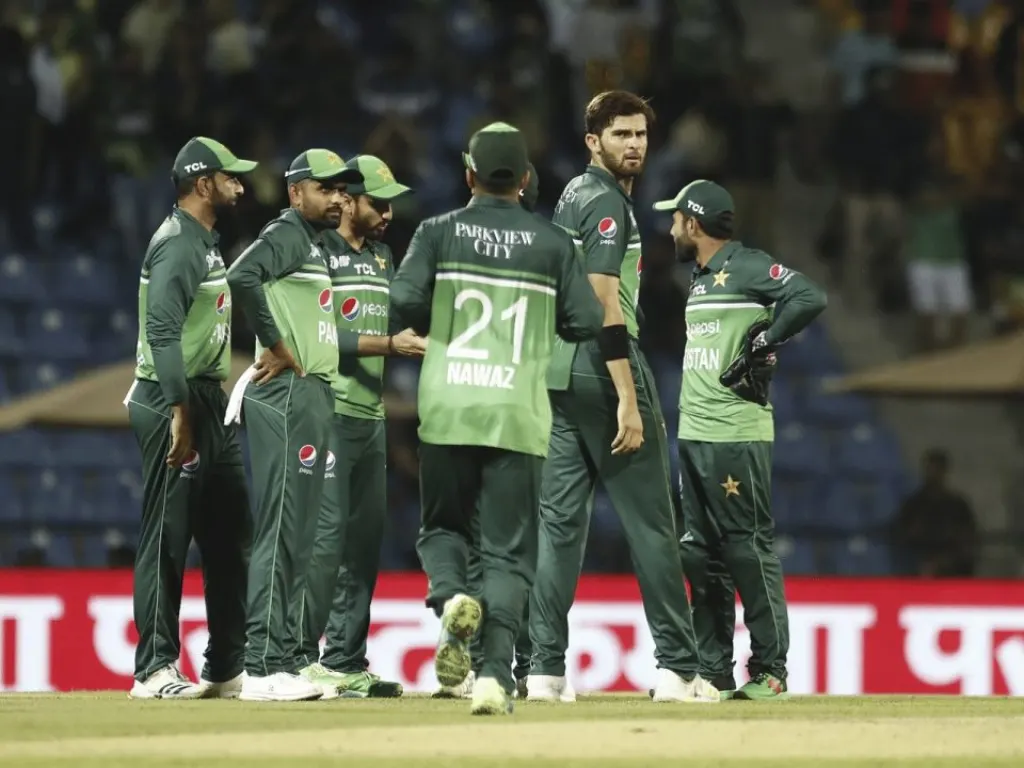
Pakistan Clinches Asia Cup Rising Stars Title: Triumphs Over Bangladesh in Thrilling Super Over Finish
Pakistan Clinches Asia Cup Rising Stars Title In a riveting finale held at West End Park International Stadium in Doha,