Overlooked in the Cricket Team: Reactions from AIMIM, Congress, and SP Muslim Leaders on Owaisi and Shama’s Claims
Contents7
Overlooked in the Cricket Team: Reactions from AIMIM, Congress, and SP Muslim Leaders
The non-selection of Sarfaraz Khan in the Indian senior national cricket team has sparked intense debates among various political leaders. AIMIM leader Asaduddin Owaisi questioned the rationale behind Sarfaraz’s exclusion despite his stellar performance, citing his impressive average and consistent run in domestic cricket.
Congress spokesperson Shama Mohamad‘s comments on the matter were met with differing responses within her party, as leader Rashid Alvi emphasized that sports should remain untainted by politics and that Muslim players have proudly represented the nation.
Meanwhile, SP leaders expressed concern over the general disregard for Muslim athletes, with Abu Asim Azmi highlighting the need for fair opportunities regardless of faith. Former cricketer Atul Wassan lamented the communal narratives surfacing in cricket discussions, stating that performance should always take precedence over religious identity.
The recent exclusion of Sarfaraz Khan from the senior Indian cricket team has ignited a firestorm of debate, particularly among Muslim leaders. Figures from the AIMIM, Congress, and SP have all weighed in on the matter, scrutinizing not just the decision but also the implications of religious bias within Indian cricket. The commentary on this incident ranges from outright condemnation to calls for a more inclusive approach to selecting players based on merit rather than communal affiliations.
AIMIM’s Perspective: Scrutiny and Accountability
Following the uproar surrounding Sarfaraz Khan’s absence from the squad, AIMIM leader Asaduddin Owaisi posed pointed questions about the rationale behind the selection process. In a recent post, he highlighted Khan’s impressive statistics, including a remarkable average of 110.47 over the past five years along with multiple centuries. Owaisi’s inquiry raises crucial concerns: Are talent and performance being overlooked for reasons tied solely to the player’s surname? His observations resonate deeply with a large segment of the public, who share the sentiment of questioning the integrity of the selection process.
Diving deeper into these concerns, Waris Pathan, a national spokesperson for AIMIM, echoed Owaisi’s sentiments. He emphasized that the cricketing community and the nation at large are left wondering why a high-performing player like Sarfaraz was passed over. His strong statement highlighted an unsettling narrative of potential bias that could undermine the fairness traditionally aspired to in sports.
Congress Responds: A Complexity of Opinions
The situation took a turn as Congress spokesperson Shama Mohamed’s comments stirred controversy. Her assertions have been met with mixed reactions within her own party. While she pointed out the apparent injustice faced by Sarfaraz, fellow Congress leader Rashid Alvi pushed back by declaring that politics should remain separate from cricket. « There are Muslims in the Indian cricket team who are making the nation proud, » Alvi stated emphatically, rejecting any suggestion of bias based on religion
This internal conflict within Congress underscores a broader challenge faced by political leaders: balancing political statements while upholding communal harmony. As discussions continue, the public is left uncertain about whether these debates are helping address the issue or simply creating a larger rift.
SP Voices Support: The Need for Change
Leaders from the Samajwadi Party (SP) have also chimed in, expressing solidarity with Sarfaraz Khan. Abu Asim Azmi, a prominent SP figure, spoke candidly about the general disrespect faced by Muslims across various sectors, including sports. His remarks spotlight a pressing issue: the need for equitable treatment in all fields, emphasizing that athlete selection should transcend religious boundaries. Azmi’s stance illustrates a broader push for inclusivity and fairness not just in cricket but across all aspects of society.
Adding to the conversation, Jiya Urr Rahman Bark, another SP leader, suggested a historical context where athletes from all religions have contributed to India’s pride in sports. This call for unity and equal opportunity indicates a yearning for a cricket landscape that values performance over prejudice.
Reactions from Former Players: Calling for Fairness
Former cricketer Atul Wassan also weighed in on this issue, expressing regret over the politicization of cricket. He opined that bringing communal narratives into sports is detrimental and goes against the spirit of the game. Wassan urged that the performance of players should be the sole criteria for selection, thereby challenging the notion that identity markers, such as religion, could dictate opportunities in sports.
This sentiment from Wassan reflects an overarching desire among many former players to uphold meritocracy within the sport. As discussions evolve, it is clear that the cricketing community is yearning for a shift in how selections and opportunities are decided, ensuring that the best players have their rightful place on the national stage.
The Broader Implications
As the reactions from AIMIM, Congress, and SP leaders unfold, it becomes evident that the matter of Sarfaraz Khan’s exclusion transcends mere cricketing choices; it tackles the core issues of identity, equity, and representation in Indian sports. With fervor and determination, leaders from various backgrounds are calling for a reassessment of the criteria used for selection, pushing for a cricketing culture that truly reflects India’s diversity.
As we navigate this complex issue, it is essential to remain focused on creating an environment that celebrates athletes for their hard work and dedication, free from the specter of discrimination. The cricketing fraternity must take heed of these discussions, as the future of sports in India hinges on fairness and representation for all.
Reactions from Political Leaders on Sarfaraz Khan’s Exclusion
Read next
 Cricket News
Fans of Virat and Rohit will rejoice with this move from Cricket Australia, something BCCI overlooked
Fans of Virat Kohli and Rohit Sharma will have reason to celebrate as Cricket Australia plans a grand farewell for
 Cricket News
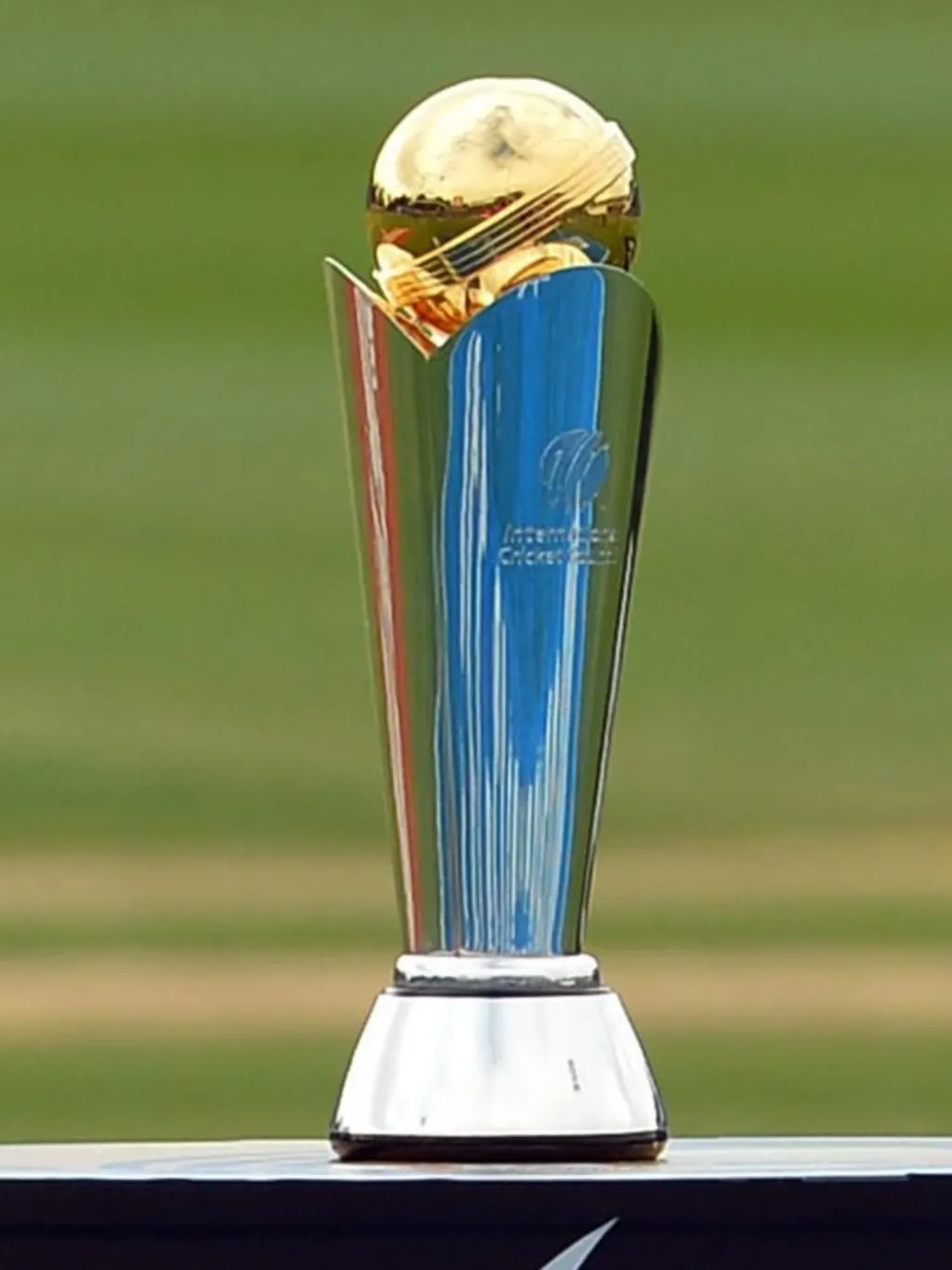
Rahul Cricket Academy from PPGanj Claims the Championship Trophy
Rahul Cricket Academy from PPGanj Claims the Championship Trophy In a thrilling conclusion to the cricket season, Rahul
 Cricket News
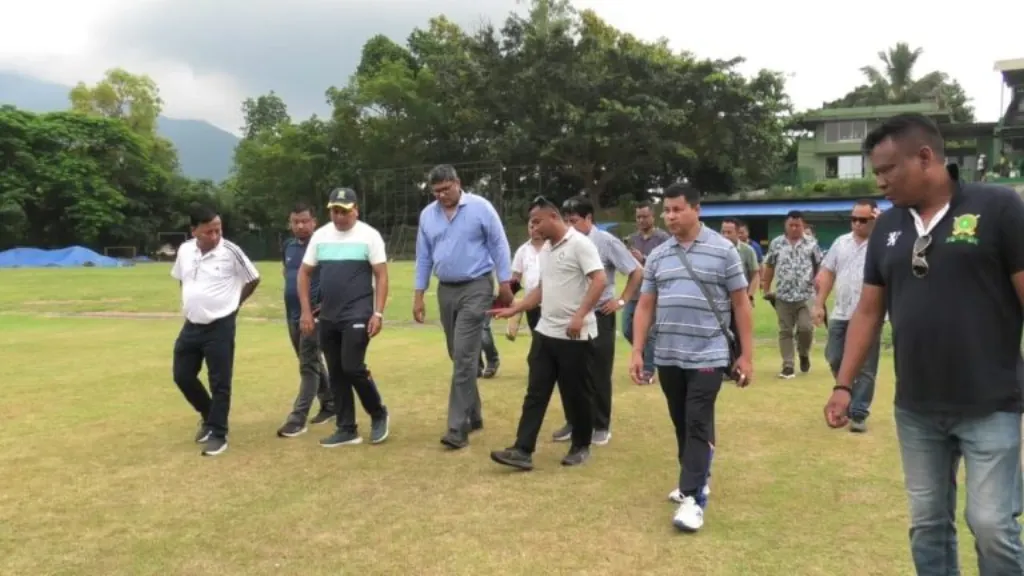
BCCI team conducts a thorough inspection of the cricket ground
Recently, a high-level team from the BCCI conducted a comprehensive inspection of the Sri Sanjay Singh Cricket Ground in
 Cricket News
Under-19 cricket team departs for upcoming tournament
The Shivahar district has dispatched its 17-member Under-19 cricket team to Sitamarhi under the captaincy of Anshu Kumar