Is Scotland’s Dream of Playing in the T20 World Cup Stalled by a ‘Pakistani’ Connection? Uncover the Full Story
Contents8
Is Scotland’s Dream of Playing in the T20 World Cup Stalled by a ‘Pakistani’ Connection?
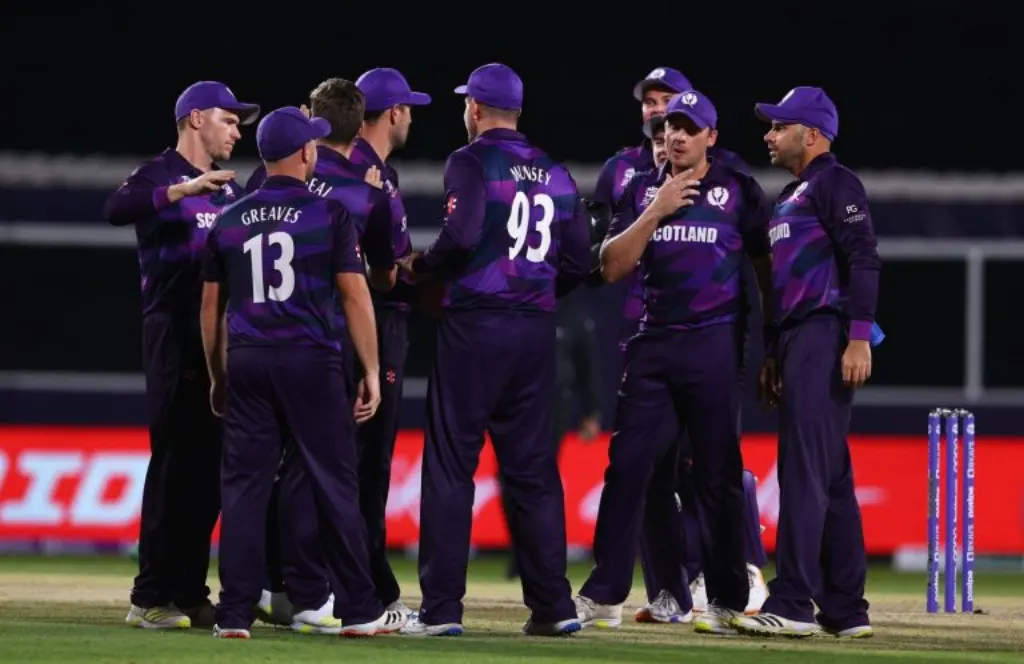
Scotland’s cricket team is set to replace Bangladesh in the upcoming T20 World Cup, starting on February 7. However, the participation of players, particularly the Pakistani-origin bowler Safyaan Sharif, hangs in the balance due to India’s visa regulations. Cricket Scotland CEO Trudy Lindblade expressed confidence that the team members will receive their visas on time, despite the lengthy application process for players of Pakistani descent. Amidst this uncertainty, Scotland is also preparing backup plans with additional players for travel. Lindblade emphasized the commitment to work with the ICC and local authorities to ensure the team’s readiness, expressing sympathy for Bangladesh’s situation, while celebrating Scotland’s qualification for the tournament.
Related reading : Scotland to Replace Bangladesh in T20 World Cup; PCB Issues Official Statement on…
As the cricket world watches with bated breath, Scotland’s unexpected entry into the T20 World Cup has stirred up conversations of identity, nationality, and the intricate web of visa regulations. With their participation hinging on the status of their players, particularly fast bowler Safyaan Sharif, who has Pakistani roots, this situation raises pertinent questions about the hurdles faced by international teams and the implications of bureaucratic processes. This article delves into how Scotland’s cricket aspirations are entangled in a narrative that weaves through sportsmanship and international diplomacy.
The Arrival of Scotland
After Bangladesh withdrew from the T20 World Cup due to security concerns, Scotland was given the opportunity to take their place, making their way to the coveted tournament starting February 7. It was a moment of joy for the Scottish cricket team, which has been striving to make a mark on the global stage. However, even as they prepare to kick off their campaign against the West Indies in Kolkata, they find themselves in a precarious situation regarding the granting of visas for their players.
Visa Challenges for Strategic Players
Scottish cricket’s chief executive, Trudy Lindblade, has expressed optimism about securing visas for all players in a timely manner, but the bureaucratic hurdles remain daunting. The scrutiny surrounding visa applications from individuals with Pakistani heritage complicates the situation, especially for players like Sharif, who was born in England to a Pakistani father and a British-Pakistani mother. In India, the vetting process for such applications is known to be meticulous, leading to concerns that this aspect might jeopardize their plans.
The Role of ICC and Local Authorities
In response to these looming uncertainties, Lindblade assured that the ICC has been supportive, collaborating closely with the local authorities and the BCCI to facilitate necessary backing. Her comments underline a crucial aspect of this scenario: while events like the World Cup foster sportsmanship, they often intersect with complex political and diplomatic considerations that can undermine even the most dedicated teams.
Scotland’s Training Plans amidst Uncertainty
Despite the clouds of uncertainty surrounding their visa status, Scotland has planned warm-up matches in Bengaluru against Afghanistan and Namibia ahead of the World Cup’s main event. Having two traveling reserves and three non-traveling reserves applying for visas showcases the proactive measures the team is taking to ensure they are represented in the tournament, come what may. They understand that adaptation is a hallmark of successful teams, and in this scenario, flexibility could be their best ally.
A Bittersweet Entry
Lindblade’s sentiments about the manner of Scotland’s entry into the World Cup reflect a bittersweet feeling within the team. Expressing sympathy towards the Bangladeshi team, she conveyed her team’s disappointment regarding the way qualification happened. While Scotland rejoices in their chance to play, there is an acknowledgment of the circumstances that paved the way for this opportunity. It’s a stark reminder of how competition and camaraderie exist within a framework that at times can be unforgiving.
The Bigger Picture
Scotland’s journey into the T20 World Cup, now intertwined with a narrative of dedication and resilience, is indicative of more significant themes in modern sport. It illustrates the spirit of the game that transcends borders but also highlights the challenges associated with nationality and representation. As this story unfolds, fans worldwide will be watching closely not just for the sporting outcomes, but for how these struggles against bureaucratic delays and visa troubles play out for a team that has long fought for recognition on the world’s stage.
Scotland’s Participation in T20 World Cup: Navigating Challenges
Read next
 Cricket News
IND vs PAK CT 2025: Is Babar Azam Set to Miss the Clash Against India? Emerging Concerns for the Pakistani Team, Here’s the Full Story
The upcoming clash between India and Pakistan in the Champions Trophy 2025 is generating significant buzz, particularly
 Cricket News
Former Sri Lankan Cricket Captain Arjuna Ranatunga Set for Arrest: Full Story
The cricket world was taken by surprise as Arjuna Ranatunga, the former captain of the Sri Lankan national team, faces
 Cricket News
Major Update in Cricket: Former Indian Player’s Father Sentenced to 7 Years in Prison and Fined ₹14 Lakhs – Discover the Full Story
Major Update in Cricket: Former Indian Player’s Father Sentenced to 7 Years in Prison In a shocking turn of events
India vs England test cricket teams: discover India’s potential playing XI and top captaincy options for your dream XI
India vs England Test Series Overview The upcoming Test cricket match between India and England promises to be thrilling