Is It Time to Reconsider the Umpire’s Call Rule in Cricket? Exploring the Controversy Surrounding This Regulation
Contents8
Is It Time to Reconsider the Umpire’s Call Rule in Cricket?
The Umpire’s Call Rule, part of the Decision Review System (DRS), has sparked intense debate in the cricketing community. Critics argue that this rule creates confusion, particularly regarding LBW (Leg Before Wicket) decisions, where the initial on-field umpire’s call can supersede technological evidence. Prominent players like Sachin Tendulkar, Shane Warne, and Kumar Sangakkara have voiced their discontent, suggesting that if the technology indicates a ball would hit the stumps, the decision should reflect that without reverting to the umpire’s original call. The ongoing conversation highlights a growing demand for clarity and fairness in the regulations governing the game.
The Umpire’s Call rule has sparked intense debate and controversy within the cricketing community. While it was introduced to aid decision-making using technology, many players, analysts, and fans question its fairness and practicality. With renowned cricketers voicing their concerns about this rule, it’s essential to explore its implications and the possible necessity for change in the DRS framework.
The Intricacies of the Umpire’s Call Rule
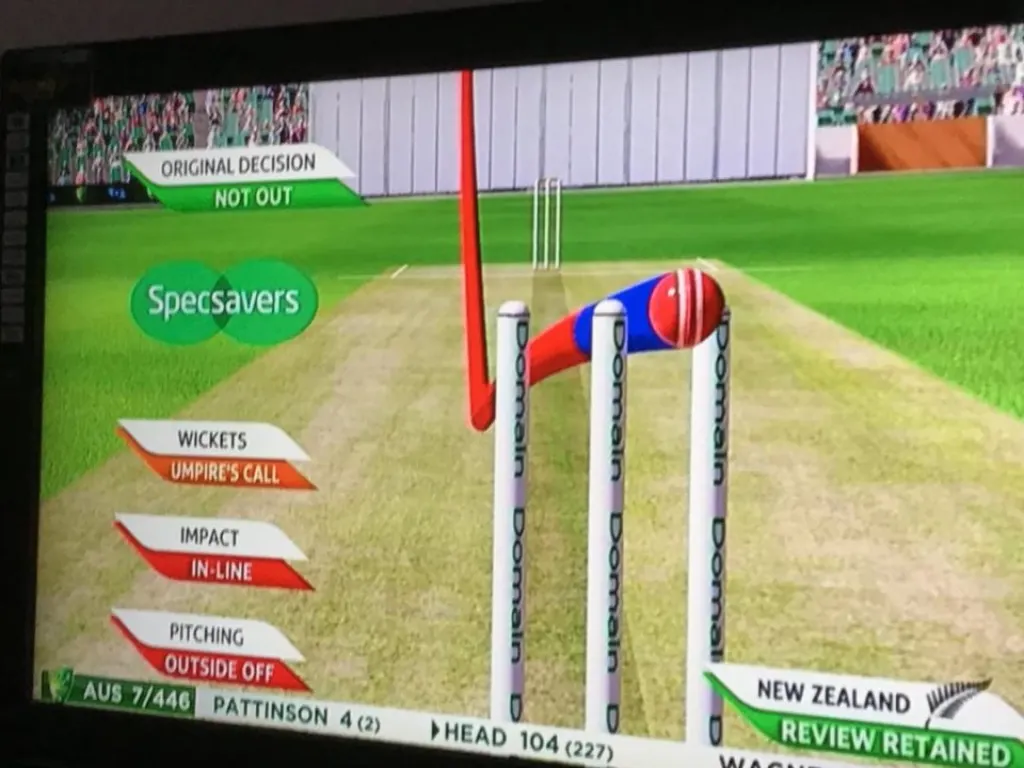
The Umpire’s Call rule is a critical aspect of the Decision Review System (DRS) in cricket, particularly in LBW (Leg Before Wicket) decisions. It operates in a gray area that can lead to confusion and frustration among players and spectators alike. The rule states that if the on-field umpire’s original decision is upheld by the technology, the review should not change that decision, regardless of the evidence provided by systems like Hawk-Eye and UltraEdge.
How Decisions Are Made Under DRS
When a team opts for a review, the DRS evaluates three key factors: where the ball pitched, the point of impact on the batsman’s pad, and whether it would go on to hit the stumps. These parameters are analyzed by advanced technological tools, yet the on-field umpire’s decision remains the ultimate authority in ambiguous cases. This reliance on human judgment has led to several contentious situations during matches, calling into question the efficacy of the Umpire’s Call.
Concerns Raised by Cricket Legends
Legendary cricketers have voiced their concerns over this rule. Sachin Tendulkar has challenged the premise of the Umpire’s Call, suggesting that if a decision is sent for review, the original call should be entirely disregarded. He argues that both players and umpires can make mistakes and that the technology, while not infallible, can be more reliable than human judgment in certain situations. Similarly, Shane Warne has taken a stance against the Umpire’s Call, emphasizing that there shouldn’t be a scenario where the same ball is judged both way: “out” and “not out.”
Impact on the Game and Fan Reactions
This ongoing controversy has significant implications for both the game and its followers. If a decision can swing a match’s outcome, it raises questions about the integrity of the sport. The cricketer Kumar Sangakkara has also urged the ICC to reconsider this regulation, stressing that if the technology indicates the ball is hitting the stumps, then the batsman should be adjudged out regardless of the umpire’s call. These sentiments resonate with numerous fans who feel that the Umpire’s Call undermines the purpose of DRS.
Technological Limitations and the Need for Change
While technology has transformed the way cricket is officiated, it still possesses limitations. As evidenced during matches, there are instances when the outcome hangs in the balance due to minuscule margins of error in technology. Criticism has been directed towards the reliance on such technology when crucial decisions can determine the match’s fate. Observers argue that all aspects should be considered to ensure fairness within the game and to maintain its competitive spirit.
The Future of the Umpire’s Call: A Call for Review
If significant figures in the cricketing world continue to demand a review of the Umpire’s Call, it may motivate the governing bodies to rethink its place in modern cricket. The ICC has faced calls to revise this rule so that it aligns better with technological advancements and the expectations of players and fans alike. It is clear that debates surrounding the Umpire’s Call will persist until a resolution is reached, making it a buzzing topic in the cricket circles.
For deeper insight into this discussion, check out these resources: Cricket Australia, AScores, BBC Sport, CricTracker, Circle of Cricket, and Around The Cricket.
Umpire’s Call Rule Comparison
Read next
 Cricket News
One Last Time… Rohit Sharma Creates a Stir on Social Media After Australia Series Ends, This Post Sparks Controversy
After India’s recent ODI series against Australia, Rohit Sharma stirred up controversy with a social media post from Syd
 Cricket News
After Cricket, India Triumphs Over Pakistan in Football: Mohammad Abdullah’s Celebration Sparks Controversy
After Cricket, India Triumphs Over Pakistan in Football In a thrilling encounter at the SAFF U-17 Championship, India’s
 Cricket News
The Cricket Controversy: A Reflection of the Deep-Seated India-Pakistan Rivalry
The recent Asia Cup match between the Indian and Pakistani cricket teams highlighted the increasingly tense relationship
 Cricket News
NZ vs SA: ‘I Held My Head in Disbelief…’ – Wasim Akram Reacts as New Zealand Reaches Finals, Sparking Controversy
NZ vs SA: Controversy Sparks as New Zealand Reaches Finals The latest cricketing showdown between New Zealand and South