India vs Pakistan: When Politics Enters the Cricket Field – Wusat’s Diary
Contents7
The captivating rivalry between India and Pakistan on the cricket field has historically been viewed through a lens of sportsmanship, often referred to as the gentleman’s game. However, as the formats of cricket evolved and the influx of money changed the landscape, politics began to encroach upon this beloved sport. The increasing intersection of politics in cricket becomes particularly evident during crucial matches, especially between these two neighboring nations. Such dynamics are currently resurfacing with the backdrop of the upcoming T20 World Cup, as highlighted by senior journalist Wusatullah Khan. His insights bring forth a critical examination of how the passion for cricket is deeply intertwined with political narratives, affecting not just the game but the fans’ sentiments as well.
The long-standing rivalry between India and Pakistan is not just limited to the cricket field. Over the years, the relationship has gradually morphed into a complicated web of politics and sportsmanship. This article dives into the intricate connection between these two nations, particularly how political undertones often invade the sacred realm of cricket, especially in high-stakes matches like the upcoming T20 World Cup.
The Gentlemen’s Game: A Changing Landscape
Cricket was once referred to as the gentlemen’s game, a sport played with honor and integrity. However, as the format of the game has evolved, with the influx of monetary interests and commercialization, the essence of the game has started to shift. The glorified image of cricket as solely a sport has been intermingled with the realities of political influence, changing how the matches are perceived by audiences on both sides of the border.
Political Interference in Cricket Matches
Political interference during cricket matches between India and Pakistan has become an all-too-frequent occurrence. This phenomenon is best illustrated during high-stake matches, where every ball and run is scrutinized through the lens of nationalism. The upcoming T20 World Cup is currently being surrounded by political noise, with journalists like senior Pakistani correspondent Wusatullah Khan drawing attention to these developments. As tensions rise, the excitement for the match is often overshadowed by the political currents swirling in the background.
The Role of Media in Shaping Narratives
The media plays a pivotal role in shaping narratives associated with India-Pakistan cricket matches. Sensational headlines and politically charged commentary can often distort the focus from the actual match to the division of nations. A troubling example of this dynamic can be found in the lead-up to the T20 World Cup, as Bangladesh recently announced a boycott due to the impending conditions laid down by the ICC concerning India’s hosting, illustrating how cricket can often become a political bargaining chip in the broader context of diplomatic relations.
Impact of Nationalism on the Cricket Field
As players take their positions on the field, the nationalistic fervor is palpable. Fans are not just rooting for their teams; they are championing their respective nations. This sense of loyalty can fuel intense rivalries, which can lead to heightened tensions both on and off the ground. The implications of this sentiment are further echoed in narratives woven by the media, feeding into the perception that these matches are more than just games—they are battles of national pride.
Current Events and Impending Consequences
As the cricketing world gears up for the T20 World Cup, uncertainty looms. The ICC has issued ultimatums to various cricket boards, emphasizing the need to proceed without letting political tensions disrupt the sport. These situations highlight how the administrative bodies are attempting to navigate the complexities of political affiliations, yet the challenge remains daunting.
We can observe the tension simmering through events leading to the T20 World Cup, as demonstrated by Bangladesh’s recent frustrations with the ICC’s deafening silence on important issues, showcasing how political decisions impact cricket boards, players, and fans alike.
Future Implications for Cricket
The intertwining of politics and cricket in the India-Pakistan context serves as a lens through which we can view larger societal issues. As the T20 World Cup approaches, fans and players alike are left to ponder the potential for a game that should ideally celebrate unity and competition, overshadowed by the weight of political agendas. Will cricket be able to reclaim its original spirit in times of strife, or will it remain ensnared in the complications of national politics?
Impact of Politics on Cricket Matches
Read next
 Cricket News
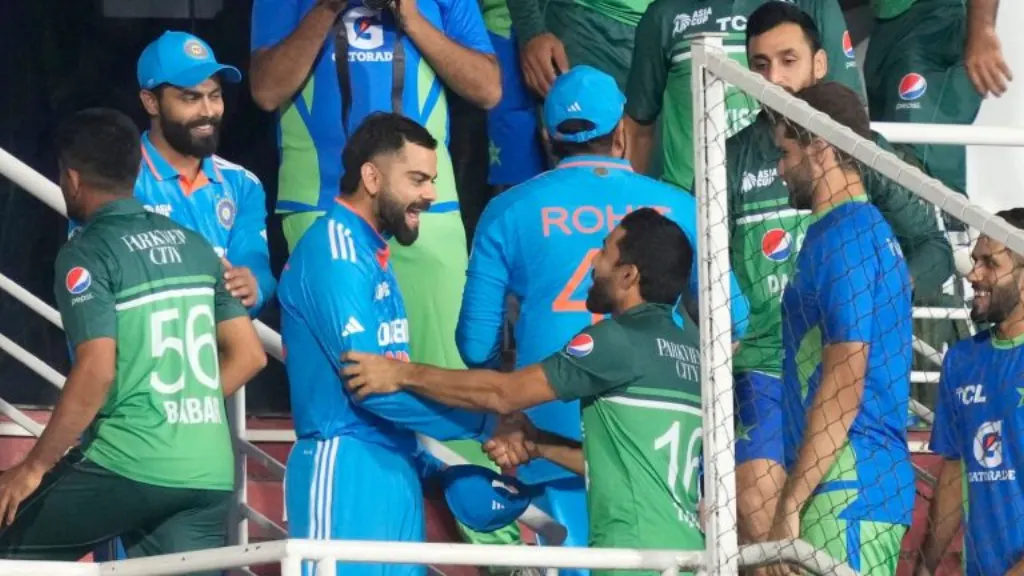
VIDEO: India-Pakistan Cricketers Shake Hands on the Field – Is the ‘No Handshake’ Controversy Finally Over?
Recently, the Asia Cup witnessed a notable No Handshake controversy between India and Pakistan cricketers, which continu
 Cricket News
IND vs PAK Live Streaming: Get Ready for Super Sunday! Everything You Need to Know to Catch the Epic Clash Between India and Pakistan – When and Where to Watch the Match
IND vs PAK Live Streaming: Get Ready for Super Sunday! Prepare yourselves for an electrifying showdown as India faces Pa
 Cricket News
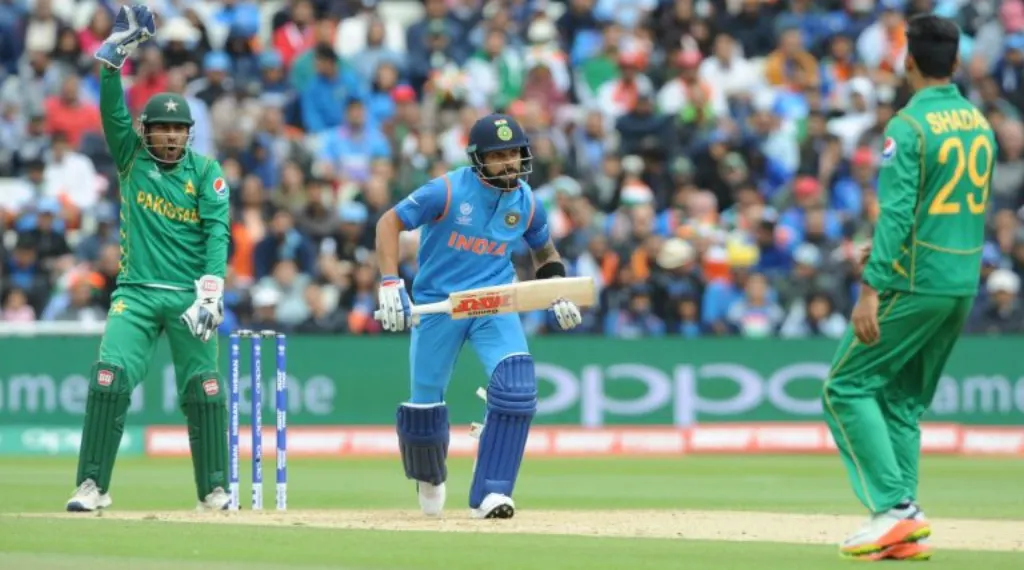
IND vs PAK Live Cricket Streaming: Get Ready for an Epic Showdown Between India and Pakistan – Discover When and Where to Watch the Live Match!
India vs Pakistan: How Are Both Teams Preparing Ahead of This High-Stakes Cricket Clash?
The 15th of February 2026 will mark a pivotal day for cricket enthusiasts as the legendary rivals, India and Pakistan,