If ICC Ends the ‘Game’ with Pakistan by Boycotting the T20 World Cup, Bangladesh’s Fortune Could Rise
Contents7
Related reading : Will Pakistan Follow Bangladesh’s Footsteps? PCB Responds to T20 World Cup Boycott…
ICC and Pakistan T20 World Cup Situation
The Pakistan Cricket Board (PCB) is considering a boycott of the T20 World Cup 2026 following Bangladesh’s exclusion from the tournament. The PCB chairman, Mohsin Nakvi, indicated that a final decision regarding Pakistan’s participation will be made soon, possibly by this Friday or the following Monday. There are low chances of Pakistan completely withdrawing from the tournament, but if they do proceed with the boycott, the International Cricket Council (ICC) might consider reinstating Bangladesh to Group A, allowing them to play their matches in Sri Lanka. This would mark a significant turn of events, as PCB’s involvement in the decision-making has raised concerns about their motivation and negotiation tactics, particularly after ICC’s exclusion of Bangladesh due to their security concerns in India.
Related reading : Existential Threat to PAK Cricket: ICC May Impose Strict Sanctions if They Quit T20 World…
This situation brings into focus the potential implications for Bangladesh, as their fortunes in the tournament could drastically change, similar to the dynamics of past controversies involving the two cricketing nations. As the situation unfolds, all eyes will remain on PCB’s conclusive decision, which will ultimately determine the World Cup’s landscape.
The current cricket landscape is rife with suspense as Pakistan’s participation in the upcoming T20 World Cup hangs in the balance following Bangladesh’s exclusion. The International Cricket Council (ICC) is in a tight spot, and its decision could potentially impact not only Pakistan but also pave the way for Bangladesh’s unexpected revival in the cricketing arena. This article delves into the various aspects of this looming situation and its implications on the cricket world.
The Current Predicament of the PCB
The Pakistan Cricket Board (PCB) found itself in a precarious position after Bangladesh announced its refusal to play on Indian soil due to safety concerns. As a result, the PCB has threatened a potential boycott of the T20 World Cup, a move that would have severe repercussions for their standing in international cricket.
According to PCB Chairman Mohsin Naqvi, a final decision regarding Pakistan’s participation is expected soon. Meetings with Prime Minister Shahbaz Sharif have suggested that all options remain on the table. Nevertheless, the likelihood of a complete withdrawal from the tournament is diminishing, especially considering the gravity of the situation as outlined by reports in leading sports news outlets.
The Consequences of a Boycott
If Pakistan decides to withdraw from the T20 World Cup, the ICC would likely take action against the board. Possible sanctions could range from financial penalties to losing significant international stature. This would be the culmination of a series of missteps and political maneuverings that have clouded the PCB in recent months.
The ICC’s potential reaction to a Pakistani boycott might lead to Bangladesh being reconsidered for re-entry into the tournament. An official highlighted that should Pakistan choose to step back, the ICC may look to reinstate Bangladesh, allowing them to participate in Group A, thus playing their matches in Sri Lanka. This could dramatically elevate the fortunes of the Bangladesh cricket team, allowing them to gain invaluable experience and international exposure.
Related reading : ICC Issues Warning to Pakistan Over Boycott of Match Against India
Bangladesh’s Strengthened Position
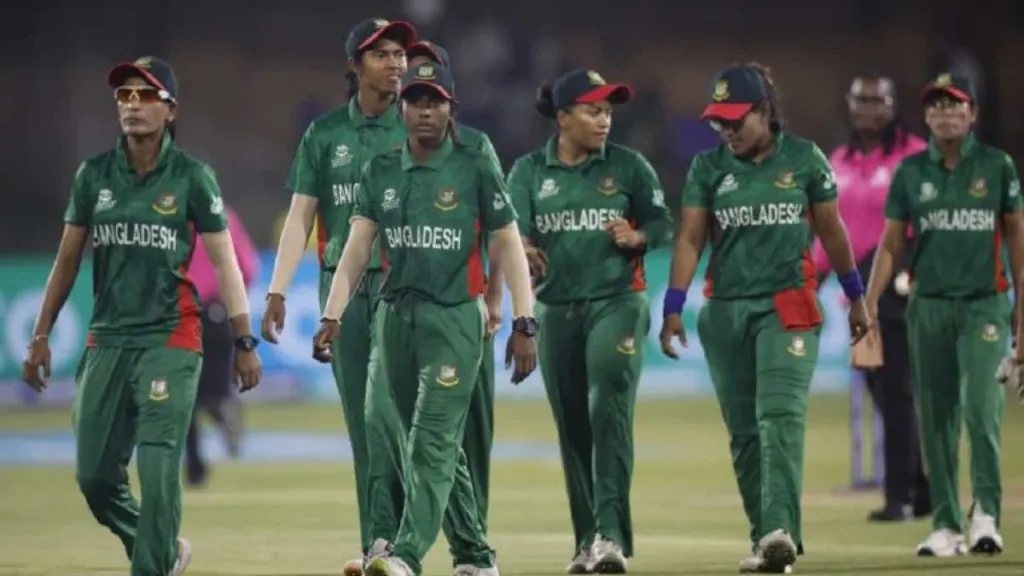
Bangladesh has already faced its challenges in the lead-up to the World Cup, notably with their previous exclusion after raising safety concerns regarding playing in India. Initially, the ICC had opted to replace Bangladesh with Scotland for the tournament, but a twist of fate could rectify that decision.
The prospect of Bangladesh stepping in after Pakistan’s exit could not only offer them a chance to play against formidable teams, but it could also help in dispelling the recent shadows cast by their non-participation. It’s a scenario that paints Bangladesh in a new light — one filled with opportunity.
The Hybrid Model’s Implications
The ongoing discussions surrounding Pakistan’s participation often circle back to the hybrid model that was previously agreed upon. The PCB had initially requested that matches be played outside of India, a premise that the ICC later rejected. If Pakistan ultimately skips the UK clash with India, they risk breaching that agreement, leading to further complications within international cricket operations.
This situation calls into question the PCB’s authority and stance in negotiations and the potential repercussions of their decisions as the cricketing community watches with bated breath.
Reactions from the BCCI
The Board of Control for Cricket in India (BCCI) has already weighed in on this ongoing saga. Their Vice President, Rajeev Shukla, stated that they had offered Bangladesh full security assurance, and their last-minute decision to withdraw created logistical difficulties that led to Scotland’s inclusion. The BCCI’s position illustrates a level of frustration with Pakistan’s interference, suggesting that Pakistan’s actions may be rooted in ulterior motives.
As the world watches these developments, the intertwined destinies of these cricketing nations are becoming increasingly complex, leaving fans eager to see how the next chapter will unfold.
In summary, the final decision from the PCB could have unforeseen consequences not just for Pakistan’s cricketing future but also for Bangladesh, potentially reshaping their standing in international cricket. The ICC’s next steps are crucial in determining whether the balance of power shifts, allowing for a new narrative in this ongoing saga.
Impact of Pakistan’s T20 World Cup Boycott
Read next
 Cricket News
Bangladesh Boycotts T20 World Cup Over ICC’s India Hosting Condition, Shakes Cricket World
The Bangladesh Cricket Board (BCB) has announced its decision to boycott the upcoming T20 World Cup due to safety concer
 Cricket News
ICC Rejects Bangladesh’s Appeal: India Must Participate in T20 World Cup or Face Consequences
The International Cricket Council (ICC) has firmly rejected Bangladesh’s request to move the T20 World Cup matches out o
 Cricket News
ICC Agrees to Bangladesh’s Request: T20 World Cup Matches to Be Held Outside India
ICC Agrees to Bangladesh’s Request The International Cricket Council (ICC) is reportedly considering a venue change for
 Cricket News
Scotland to Replace Bangladesh in T20 World Cup; PCB Issues Official Statement on Pakistan’s Participation
The ICC has confirmed that Scotland will replace Bangladesh in the upcoming T20 World Cup scheduled to start on February