ICC Confirms Bangladesh’s World Cup Matches to Be Held in India: Refuses Schedule Changes, Demands Response Within a Day
Contents7
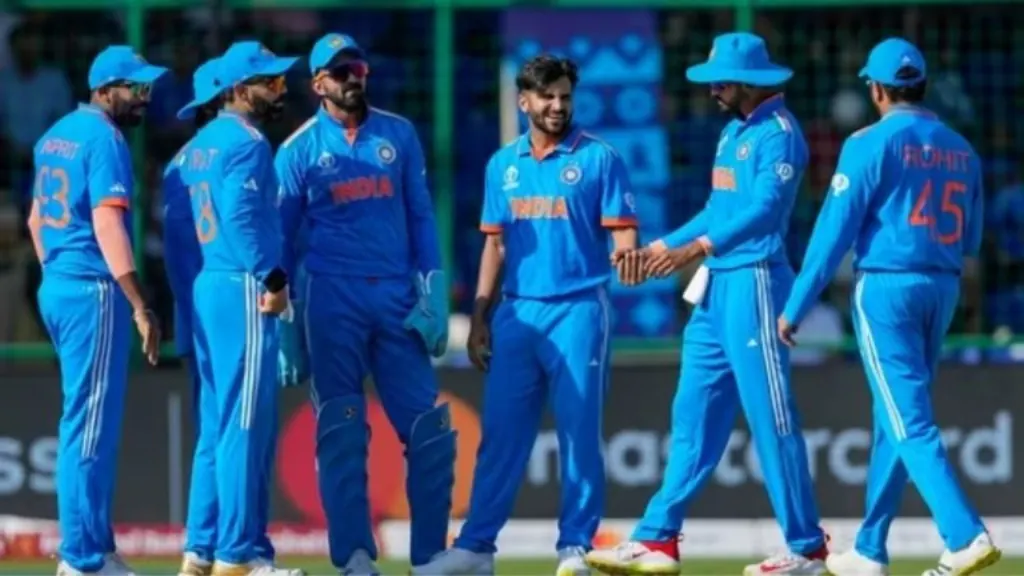
The International Cricket Council (ICC) has firmly stated that all matches for Bangladesh in the upcoming T20 World Cup will be held in India without any alterations to the tournament’s schedule. Despite the Bangladesh Cricket Board (BCB) requesting that the matches be relocated to Sri Lanka due to security concerns, the ICC has completed a security assessment declaring that there is no threat to players or officials. Bangladesh has been given one more day to reconsider its position, as the council clarified that failure to comply may result in their replacement by Scotland, who finished third in the European qualifiers.
Related reading : ICC Rejects Bangladesh’s Appeal: India Must Participate in T20 World Cup or Face…
The International Cricket Council (ICC) has firmly stated that Bangladesh’s matches in the upcoming T20 World Cup will take place in India, denying any requests for adjustments to the tournament schedule. The governing body has issued a warning to the Bangladesh Cricket Board (BCB) to provide a response within a day or risk missing out on participation. With tensions rising, this stance comes amid security concerns raised by the BCB.
Related reading : Bangladesh Boycotts T20 World Cup Over ICC’s India Hosting Condition, Shakes Cricket World
The Context of Bangladesh’s Concerns
Bangladesh’s cricket officials have expressed serious apprehensions regarding the safety of their players, officials, media personnel, and fans if forced to play in India. In light of recent incidents that have raised alarms over security, particularly the tragic killing of Hindus in Bangladesh, the BCB has sought to have their matches relocated to Sri Lanka. Despite their repeated requests, the ICC has not budged, branding the concerns as unfounded.
ICC’s Stance on Security Assessments
During a crucial meeting, the ICC made it clear that their security assessments found no legitimate threat to the Bangladeshi contingent in India. The council’s overwhelming majority—14 out of 16 member states—voted against the BCB’s pleas, solidifying the position that there will be no schedule changes for the World Cup matches. The council also indicated that if the BCB continues to refuse participation, they risk being replaced, potentially allowing Scotland, who finished third in the European Qualifier, to step in.
The Deadline for Bangladesh
Bangladesh is facing a tight deadline. On January 22, a final decision will be made regarding their participation. This urgency has catalyzed discussions, yet as of now, Bangladeshi captain Litton Das has commented on the uncertainty, saying, « The World Cup seems far away. We do not know if we will even participate. » This statement encapsulates the ongoing suspense not just for the team but for cricket fans back home.
BCB’s Attempts to Relocate Matches
After the ICC firmly denied their initial requests, the BCB wrote again, pleading for matches to be held in Sri Lanka. The board argued that such a move would alleviate travel and security worries, aligning with their earlier rationale. However, ICC has restated their commitment to the established schedule and has offered no hints of compromise.
The Ramifications of Refusal
If the BCB reiterates their denial to play in India, the ramifications could be significant. Scotland, having placed third in the European qualifiers, would be lined up to take Bangladesh’s spot in Group C, where they are set to contest matches primarily in Kolkata and Mumbai against formidable opponents. The potential reshuffle hails back to the ICC’s strict regulations and their resolve to uphold tournament integrity.
The Broader Implications
These developments are not merely about cricket; they underscore the broader geopolitical tensions between the two nations which have often spilled over into sports. With Bangladesh signaling defiance against ICC’s pressures, it raises questions not just about the integrity of cricketing governance but the influence of external factors on a game that unites fans from all backgrounds. As stakeholders watch closely, the outcome of this situation could redefine diplomatic sports exchanges in South Asia.
Comparison of Key Issues Surrounding Bangladesh’s T20 World Cup Participation
Read next
 Cricket News
ICC Agrees to Bangladesh’s Request: T20 World Cup Matches to Be Held Outside India
ICC Agrees to Bangladesh’s Request The International Cricket Council (ICC) is reportedly considering a venue change for
 Cricket News
Bangladesh Boycotts T20 World Cup Over ICC’s India Hosting Condition, Shakes Cricket World
The Bangladesh Cricket Board (BCB) has announced its decision to boycott the upcoming T20 World Cup due to safety concer
 Cricket News
ICC Rejects Bangladesh’s Appeal: India Must Participate in T20 World Cup or Face Consequences
The International Cricket Council (ICC) has firmly rejected Bangladesh’s request to move the T20 World Cup matches out o
 Cricket News
Pakistan Confirms They Will Not Play T20 World Cup Match Against India, Says Shahbaz Sharif
Pakistan’s Prime Minister Shahbaz Sharif has confirmed that the Pakistan cricket team will not play the highly anticipat