Harbhajan Singh opposes the match against Pakistan as soldiers sacrifice their lives, showdown on September 14
Contents7
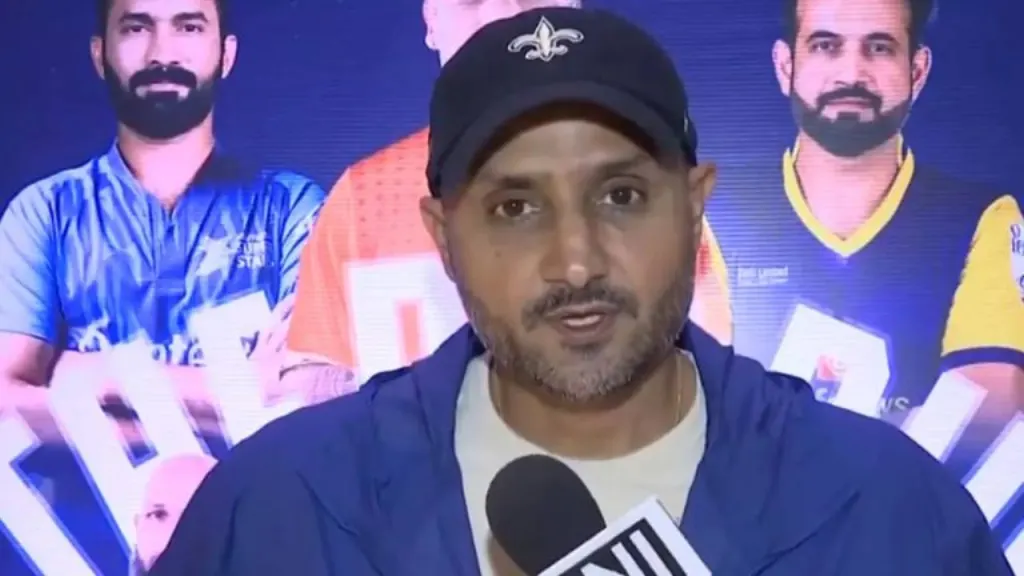
Former Indian cricketer Harbhajan Singh, accompanied by his wife Geeta Basra and filmmaker Raj Kundra, visited Harmandir Sahib and expressed strong opposition to the upcoming cricket match against Pakistan on September 14. He highlighted the sacrifice of Indian soldiers, stating, « When our soldiers are sacrificing their lives, it is inappropriate to play against Pakistan. » Harbhajan emphasized that if relations with a country are strained, there should be no sports or trade interactions. He acknowledged this as his personal opinion while maintaining that the final decision lies with the BCCI and the government.
Harbhajan Singh’s Statement on the Upcoming Clash
As the much-anticipated cricket match between India and Pakistan approaches on September 14, former Indian cricketer Harbhajan Singh has voiced a powerful objection. He believes that with Indian soldiers sacrificing their lives for the nation, participating in a cricket match against Pakistan is inappropriate. This sentiment has sparked conversations among cricket fans and analysts alike, making it a hot topic ahead of the Asia Cup 2025.
The Context of Harbhajan’s Opposition
During a recent visit to Sachkhand Sri Harmandir Sahib, Harbhajan accompanied his wife, Geeta Basra, and filmmaker Raj Kundra. It was here that he reiterated his stance against playing cricket with Pakistan, emphasizing the gravity of military sacrifices. His words resonate with many who find it hard to separate sports from national sentiments, especially when military conflicts arise.
Impact of Recent Events
The backdrop to Harbhajan’s comments is not just the historical rivalry between India and Pakistan but also significant recent events that have heightened tensions. The tragic loss of 26 innocent lives during a terrorist attack in Pahalgam on April 22 had a profound impact on Indian society, as responsibility for the attack was claimed by ‘The Resistance Front’. In retaliation, India launched ‘Operation Sindoor’, showcasing the nation’s strength. Such events lead many, including Harbhajan, to question the appropriateness of sporting matches during times of national mourning and crisis.
Harbhajan’s Personal View on Cricket and Diplomacy
While Harbhajan Singh acknowledges that his thoughts reflect personal beliefs, he stresses that the final decision about such matches lies with the BCCI (Board of Control for Cricket in India) and the government. He articulates that if diplomatic relations are strained, sports should be sidelined as well: “If relationships with a country are not cordial, then there should be no trade or cricket,” he stated, further emphasizing the seriousness of the matter.
Responses from the Cricket Community
The cricket fraternity is divided on this issue. Some echo Harbhajan’s sentiments, while others advocate for the unifying power of sport. Fans and players alike are reflecting on what it means to engage in a cricket match under such circumstances. As the match date looms closer, the conversations grow louder, illustrating the blend of politics and sportsmanship that often complicates international cricket encounters.
Upcoming Events in the Asia Cup 2025
The Asia Cup 2025 is set to commence on September 9, culminating in the highly anticipated match between India and Pakistan just five days later. As the cricketing world prepares for this showdown, Harbhajan’s criticisms and calls for respectful consideration of soldiers’ sacrifices invite fans and analysts to ponder deeper ethical questions about the cross-section of national pride and sports.
Harbhajan Singh’s bold opposition to the India-Pakistan cricket match sheds light on important social issues that go beyond the sporting arena. His passionate plea serves as a reminder of the weighty responsibilities that shape the game of cricket amid unfolding national narratives.
Analysis of Harbhajan Singh’s Opposition to Cricket Match Against Pakistan
Read next
 Cricket News
Asia Cup: Harbhajan Singh Opposes India-Pakistan Match, Here’s Why
Harbhajan Singh, the former veteran spinner, has voiced his strong opinion against playing bilateral cricket series betw
India vs Pakistan Cricket Showdown: Match Time and Where to Watch the Live Broadcast
India vs Pakistan Cricket Showdown The much-anticipated India vs Pakistan cricket match is set to take place today at 1:
 Cricket News
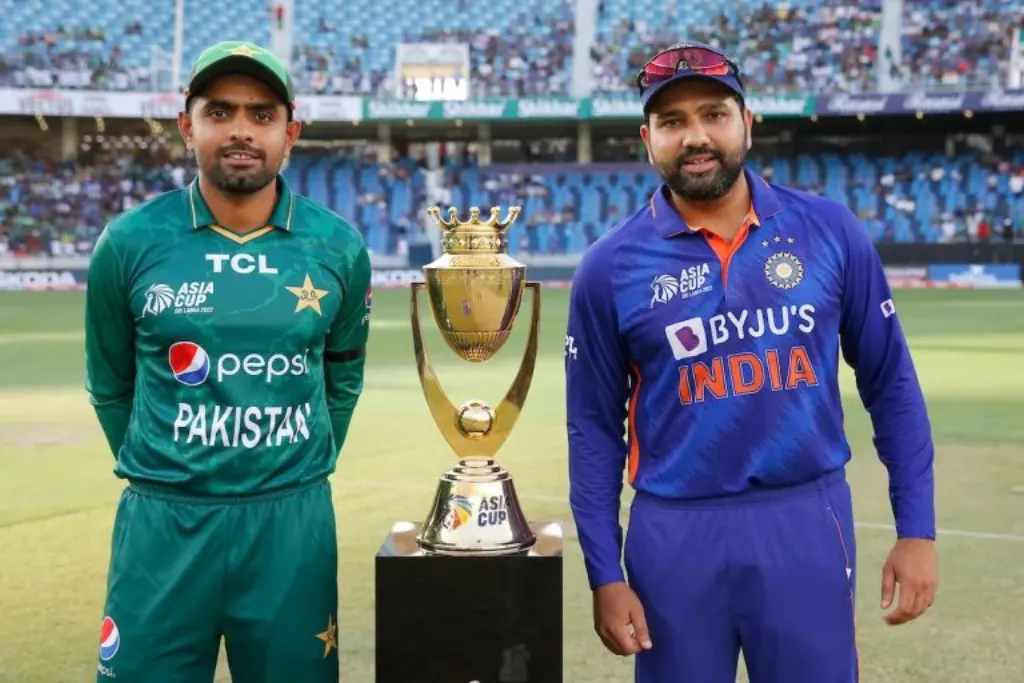
Asia Cup 2025: the epic showdown between India and Pakistan will take place at this venue, with match timing now revealed
Asia Cup 2025: A Thrilling Clash Awaits The Asia Cup 2025 promises an exhilarating showdown as India goes head-to-head w
 Cricket News