england surpasses 400 runs for the first time in odi cricket history, dominating west indies
Contents7
England’s Historic ODI Performance Against West Indies
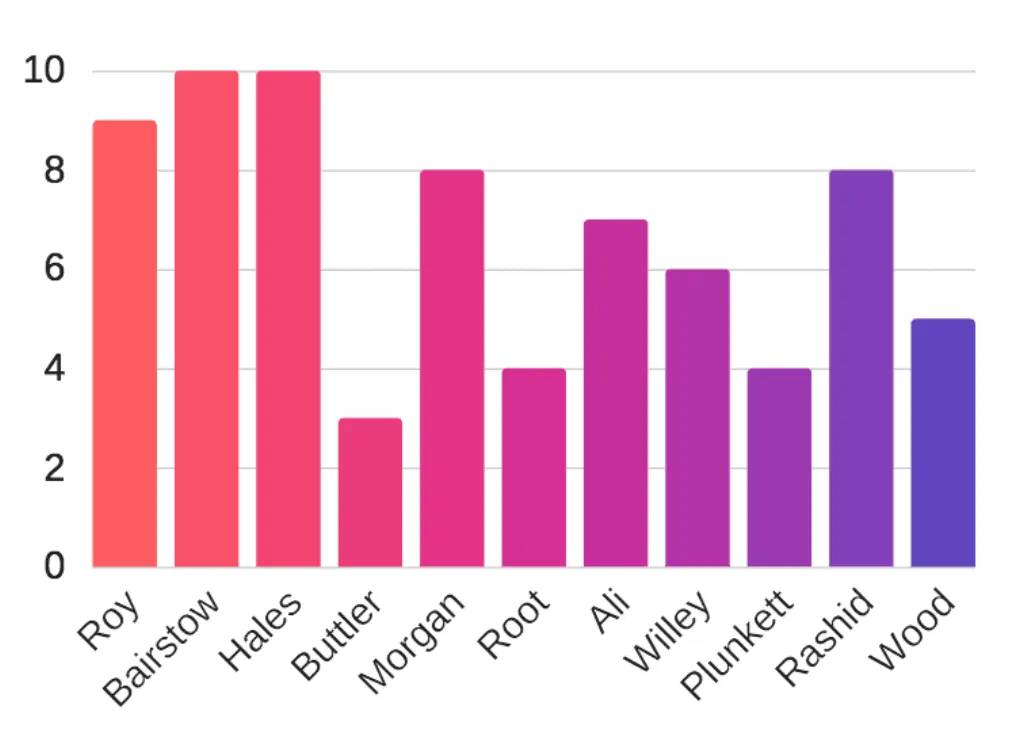
In a remarkable display of batting prowess, England became the first team in ODI cricket history to score 400 runs in a match without a single player reaching a century. During the first ODI against the West Indies on May 29, 2025, played at Birmingham’s Edgbaston, England amassed an impressive total of 400 runs for the loss of 8 wickets, with Jacob Bethel leading the charge as the top scorer with 82 runs.
Related reading : England sets a world record with an unprecedented achievement in ODI cricket
Adding to this milestone, it was the first time that all of the top-seven English batsmen scored 30 runs or more in an ODI innings. In stark contrast, the West Indies struggled, collapsing for a mere 162 runs in just 26.2 overs, further highlighting England’s dominance.
England Surpasses 400 Runs for the First Time in ODI Cricket History
In a thrilling encounter on May 29, 2025, England made history by becoming the first team in One Day International (ODI) cricket to score over 400 runs without any individual player reaching a century. This remarkable achievement occurred during the first ODI of a three-match series against the West Indies, held at Edgbaston in Birmingham. England’s dominance was not only evident from their total score of 400 runs for the loss of 8 wickets but also in the contrasting performance of the West Indies, who struggled to keep pace.
England’s Unprecedented Achievement
This match marked the 28th occasion in ODI history where a team has crossed the 400 runs benchmark. However, what sets this feat apart is the fact that no English batsman managed to score a century, a first in ODI cricket. Instead, the highest run-scorer for England was Jacob Bethell, who notched up 82 runs. This unconventional batting display reinforces the depth of England’s batting lineup, showcasing their capability to score heavily even without standout individual contributions.
Top Performers Leading the Charge
Throughout the innings, the English batsmen displayed exceptional teamwork. Each member of the top seven contributed significantly, with every player scoring at least 30 runs. This collective effort is another historical milestone, as it is the first instance where the top seven players in an ODI innings all scored 30 or more runs. This balanced approach was key to reaching such a colossal total, reflecting the team’s overall strength.
West Indies’ Struggles in Response
Faced with a daunting target of 401 runs, the West Indies struggled significantly. The pressure was palpable, as none of their batsmen could rise to the occasion, with the entire team bowled out for just 162 runs in a dismal 26.2 overs. This inadequacy in batting made it glaringly clear how outclassed they were, not only in runs but also in strategy and execution. England’s bowlers were relentless, applying constant pressure that resulted in a comprehensive 238-run victory.
Historical Context and Implications
This match not only reaffirms England’s reputation as a formidable force in ODIs but also sets a precedent for future matches. The implications of this achievement could extend beyond the match itself, as it may alter the way teams approach their innings, especially when setting or chasing high totals. With English cricket continuing to innovate and evolve, one can only wonder what feats they will accomplish next.
While it is too early to predict the long-term impacts of this record, it undoubtedly marks a significant moment in cricket history. As fans and analysts alike celebrate England’s unprecedented victory, it provides an intriguing template for how teams can succeed in modern-day ODIs. For more insights and detailed analysis on this historic match, you can follow the coverage on platforms like Fox Sports and Independent.
Comparison of England’s Historic 400 Runs in ODI
Read next
 Cricket News
A Stunning Upset in T20: Nepal Triumphs Over West Indies by 19 Runs, Shocking the Cricket World
A Stunning Upset in T20: Nepal Triumphs Over West Indies by 19 Runs In a remarkable display of skill and
West Indies’ Tail-End Batsmen Create History in Pakistan: A First in 148 Years of Test Cricket
West Indies’ Tail-End Batsmen Create History in Pakistan The first Test match between Pakistan and the West Indies in Mu
 Cricket News
Babar’s Century Drought Persists as West Indies Mounts a Resilient Comeback in Second Test
Babar Azam, Pakistan’s captain, faced disappointment as he was denied his first test century in four years during the se
 Cricket News
Cricket Showdown: New Zealand vs West Indies 4th T20 – Complete Highlights & Scorecard
The 4th T20 match between New Zealand and the West Indies brought electrifying moments to the cricketing arena. Fans wer